New Mexico State Capitol

If you have been reading my blog, you may have noticed that I collect pictures of visits to state capitol buildings. Go to the Categories selection box and select “State Capitol Buildings” and you get quite a list over the last few years you can browse through. Not all of them have me in the picture, since often I was there alone and I didn’t have a convenient passer-by help me take my picture.

But today I had some colleagues with me.

Here I am in front of the building. I don’t have a picture of the whole building. This one is different from most capitol buildings I have seen. It does not have a dome, and it’s built in the typical Santa Fee “adobe style” architecture. If they hadn’t pointed the building out to me, I would not even have noticed it – from the outside.

However, I was inside, and I got a great tour of all four levels, with the senate offices, the house offices, the chambers, and the governor’s office.

I must say, of all the capitol buildings I have visited and toured, this is absolutely the most beautiful one. Aligned with the art history of Santa Fe and its hundreds of galleries, the capitol building is an art museum all in itself. Every hallway, every staircase, every office is adorned with world-class art. I could have taken hundreds of pictures, and I am not exaggerating here.

I regret now that I was not smiling on this picture. The buffalo head is made entirely of recycled materials, rags, chains, bottle caps, cans, plastic spoons, newspaper, I could go on. It is a very striking work of art.

Here is another example of modern art, this one right outside of the governor’s office.

Here I am at the door to the governor’s office. No, I didn’t get to meet the governor. However, we walked right in, and the receptionist at the desk welcomed us in and invited us to walk around and check out the artwork.

Visiting the New Mexico capitol building I had the distinct feeling that it was “the people’s house” and it was open to the people. After we went through a security checkpoint, we were free to walk around, all the way into to lobby of the governor’s office.


Lunch at the Rainbow Room in Rockefeller Center

During a meeting today in New York City, our hosts took us for lunch to the Rainbow Room in Rockefeller Center.

The Rainbow Room is a private event space on the 65th floor of 30 Rockefeller Plaza in New York.  It opened in 1934 and was always a focal point for the city’s elite, as well as one of the United States’ highest restaurants above ground.

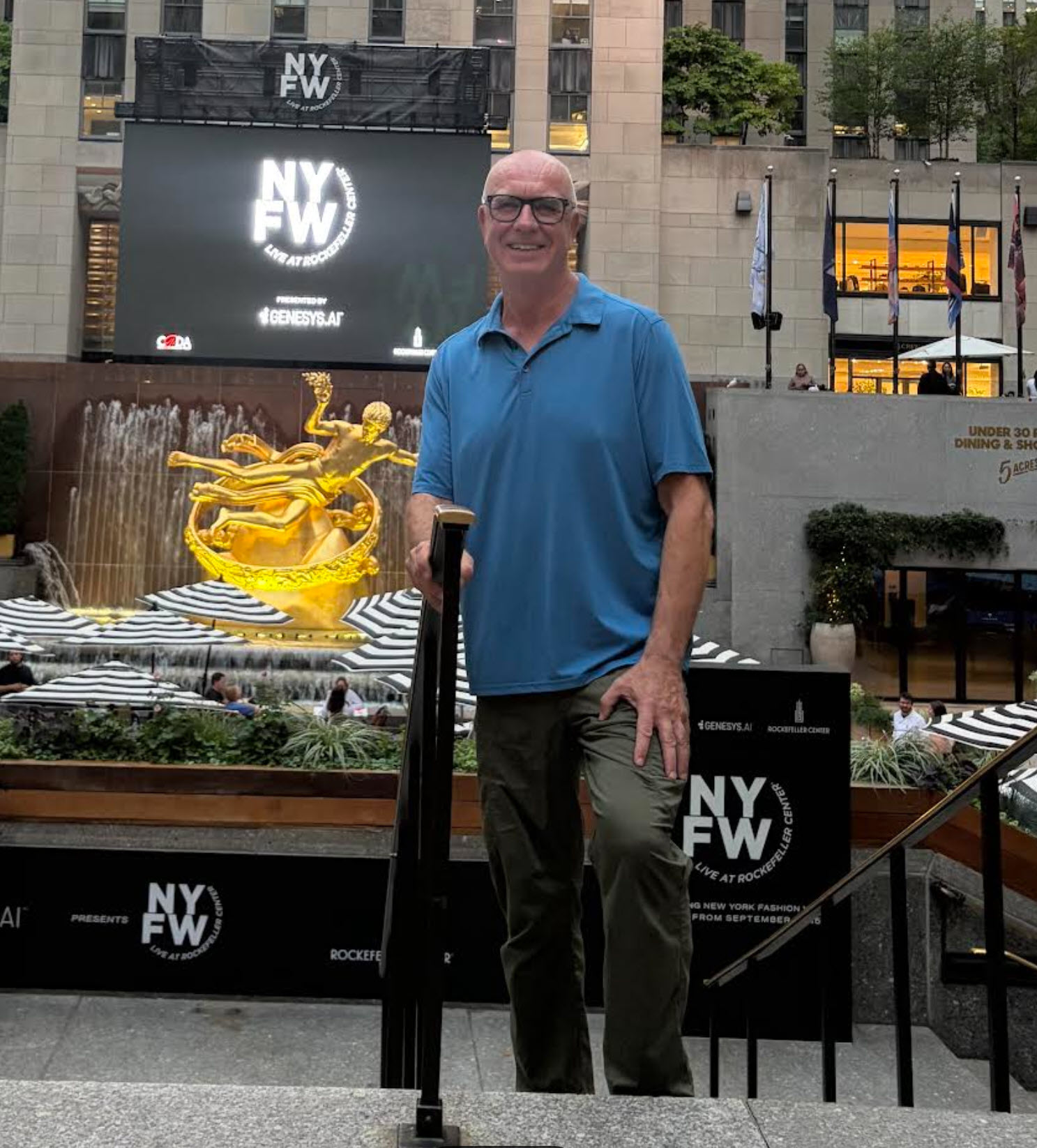
Here is a photograph of the building that I took in November, when they were just putting up the Christmas tree on the plaza. The building is iconic and a city landmark.

The first time I was there for lunch I was too embarrassed to take a photograph. I didn’t want to look like a tourist or country bumpkin. Today, however, I decided I didn’t care. I took a few pictures out the window. All of New York is visible in almost all directions. Here is a view south, showing the Empire State Building and in the distance to the right of it the World Trade Center tower.

Lunch was  excellent.

Visiting New York

During a brief visit in New York, I saw the Christmas Tree in Rockefeller Center “under construction.” I have always wondered how they do this. They actually build a massive scaffolding and there are dozens of workers on it.

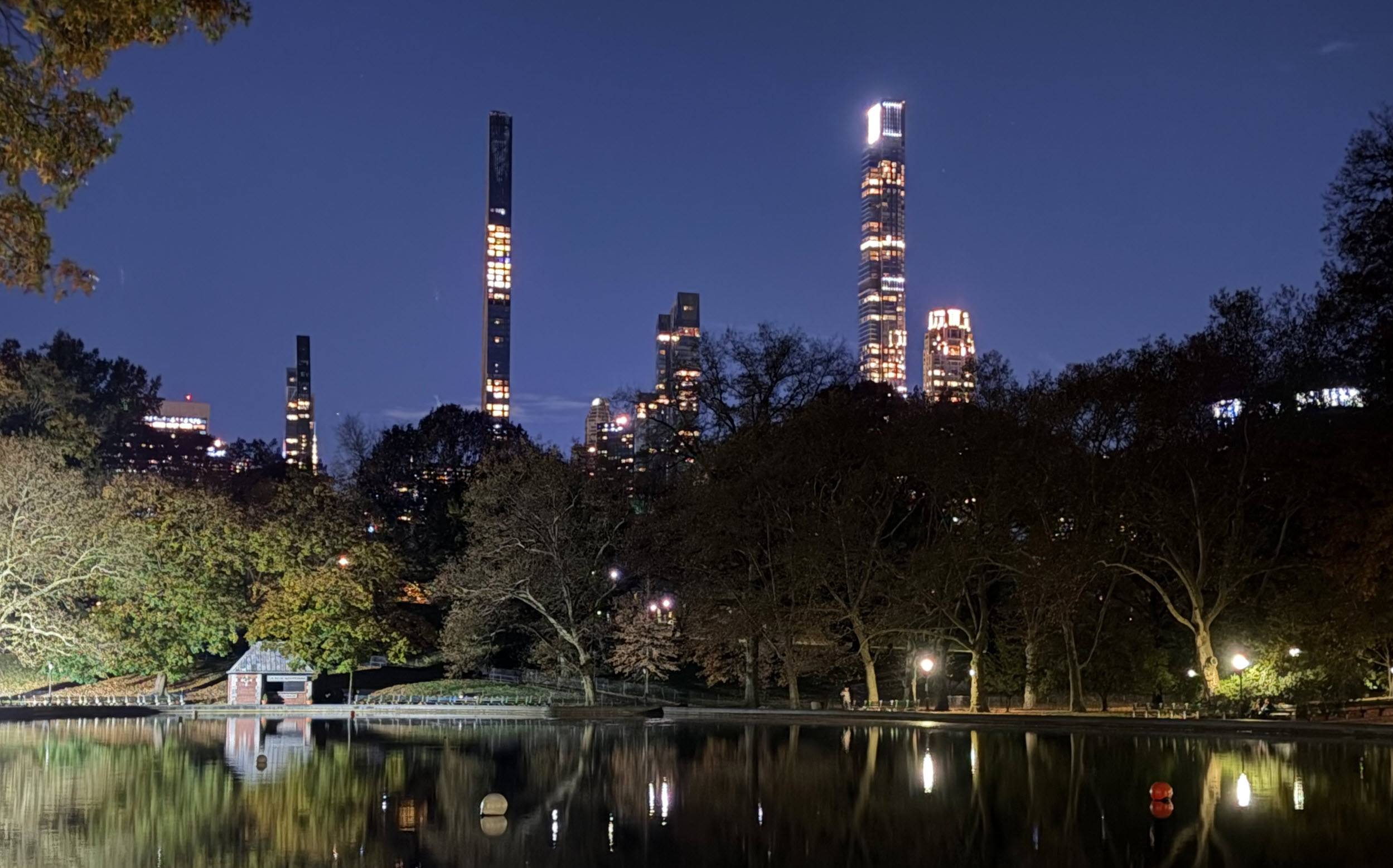
But no trip to New York is complete without a walk in Central Park. I didn’t have much time during the day, but I did a walk at night. Here is a view looking south from within the park.

On my way downtown I emerged from the subway and had this iconic view of the World Trade Center, the tallest building in the United States. The antenna alone is 408 feet (135 meters) tall.

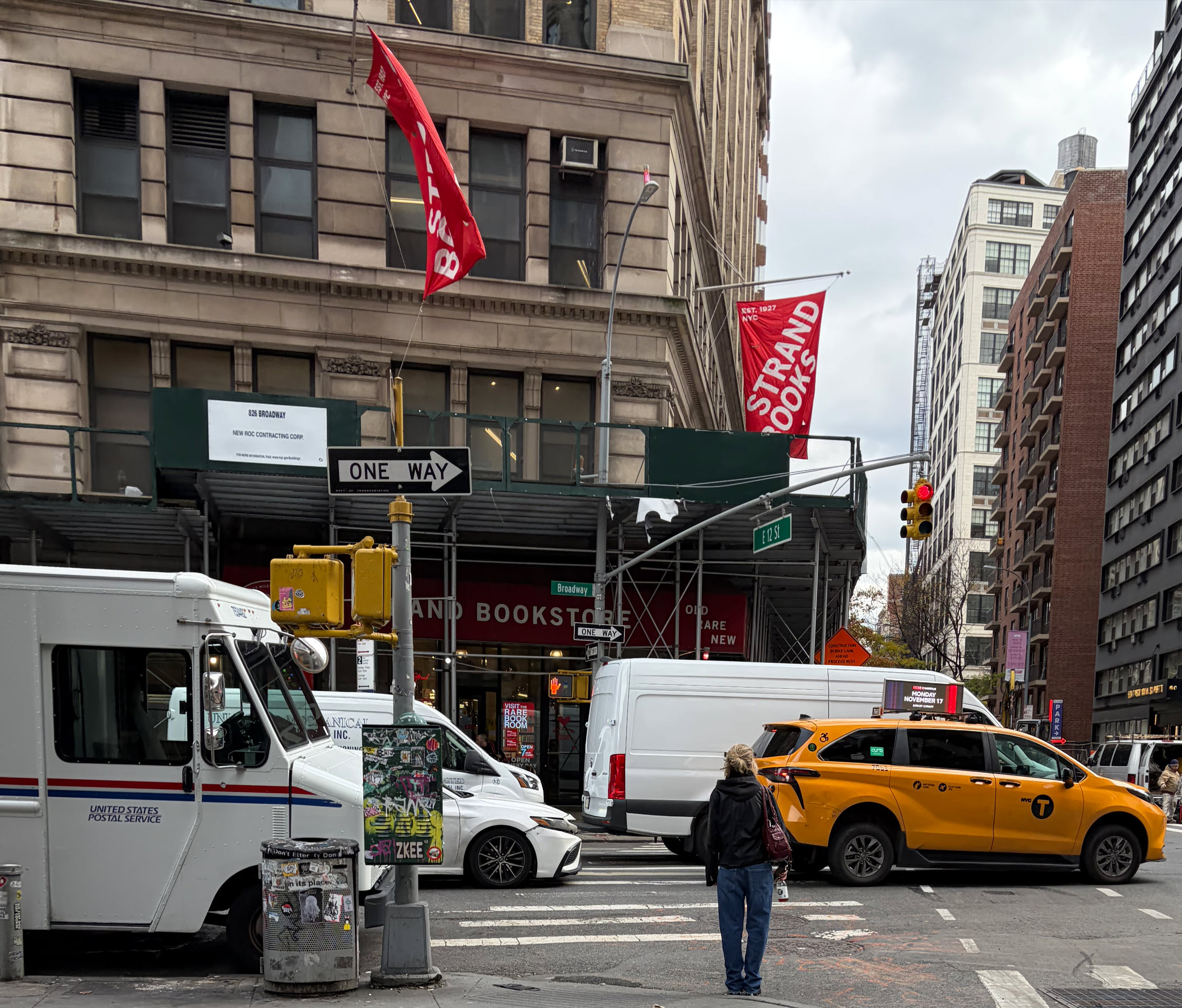
But what I really went downtown for is a visit to The Strand bookstore on Broadway and 12th Street.

I was there on Friday around 1:00 pm. It was packed with people. Books are not dead yet. The art section alone on the second floor is larger than the entire Barnes and Noble store back home in Escondido.

It has become a must for me to visit whenever I go to New York.

Maui in Time

Every time I visit Maui I am newly astonished how this is the one place on Earth where we can observe and feel the passage of time, and where geological timescales are laid open for us.

The islands of Hawai’i are formed as the Pacific Plate moves northwest over the Hawaiian hotspot, a mantle plume that creates volcanic activity. The youngest island, Hawai’i, or the “big island” as it’s called, is only 400,000 years old and its volcano is still active today. That island is growing every day as lava pours into the ocean.

The next older island is Maui, with an age of about 1.3 million years. Going west from there, Lana’i with 1.3 million years, Moloka’i with 1.8 million years, O’ahu with 3.0 to 4.0 million years and finally Kaua’i with 5.1 million years.

Maui is really an island of two volcanos, on the west side we call it West Maui, and the large volcano, Haleakala, forming the main island. There is a low point between the two mountains, sometimes called “the valley.” On the north side is Kahului, the largest city on Maui, and on the south side is Maalaea. There is a road that leads from Maalaea to Kihei that goes write along the ocean, and it’s obvious that at high tide, if there were a storm, the water would come over the road.

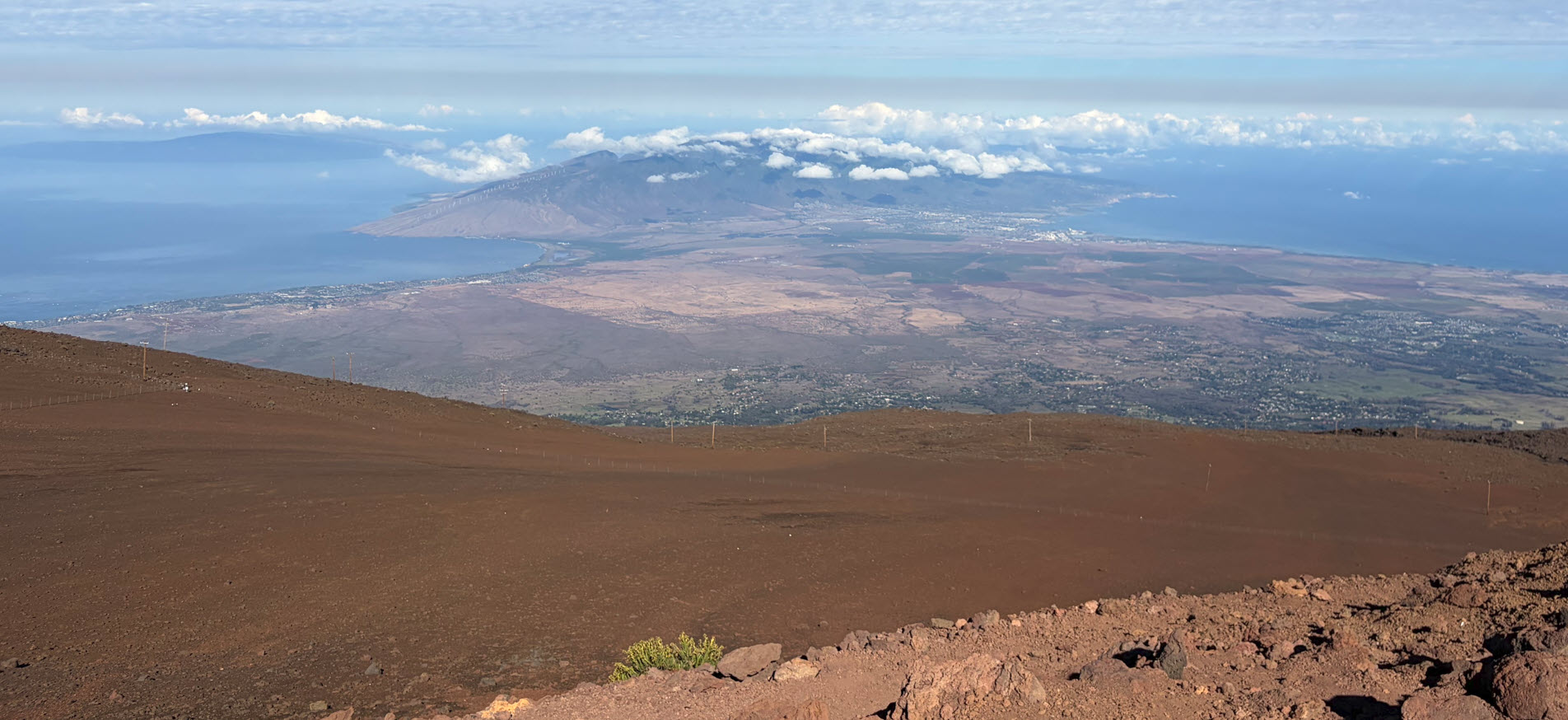
I took a couple of photographs from close to the top of Haleakala where the green arrow starts, looking down. Those are below. Then I added another photograph from the ocean, approximately where the blue arrow starts.

You can click on the images to enlarge them and zoom in.

When looking at these pictures, it is obvious that some time in the future, perhaps in 10,000 or 20,000 years, perhaps even much sooner, depending on climate change, the ocean will break through and separate West Maui from the main island, and from then on our descendants will experience it as two separate islands.

If humanity had arisen to intelligence only 100,000 years later than it did, it would never have known Maui as one island. There would be another, separate island there with a separate name. and there would be water between the two, just like there is now water between Maui and Lana’i and Maui and Moloka’i.

Below is the view from along the blue arrow of the map.

Here we can see the rise of both mountains to the left and right, with the land connecting it really low by the ocean.

It makes me want to come back and time travel to this island 20,000 years from now and see what it looks like.

When I hiked through the Haleakala crater a last week I thought about this. Here I was at 10,000 feet elevation, and I was kicking rocks, thinking that no human being may ever touch those individual rocks again. Furthermore, 10 million years from now, this entire giant mountain will be washed into the sea. Not a single rock will be above water.

Geological times become visible and tangible in Maui. I never tire of marveling about that.

Maine State Capitol

Today I visited the Maine State Capitol in Augusta. Here I am in front of it, from two different sides.

First in the back.

Then in the front, the more “official” side:


Stephen King’s Birthday

Today is Stephen King’s 78th birthday.

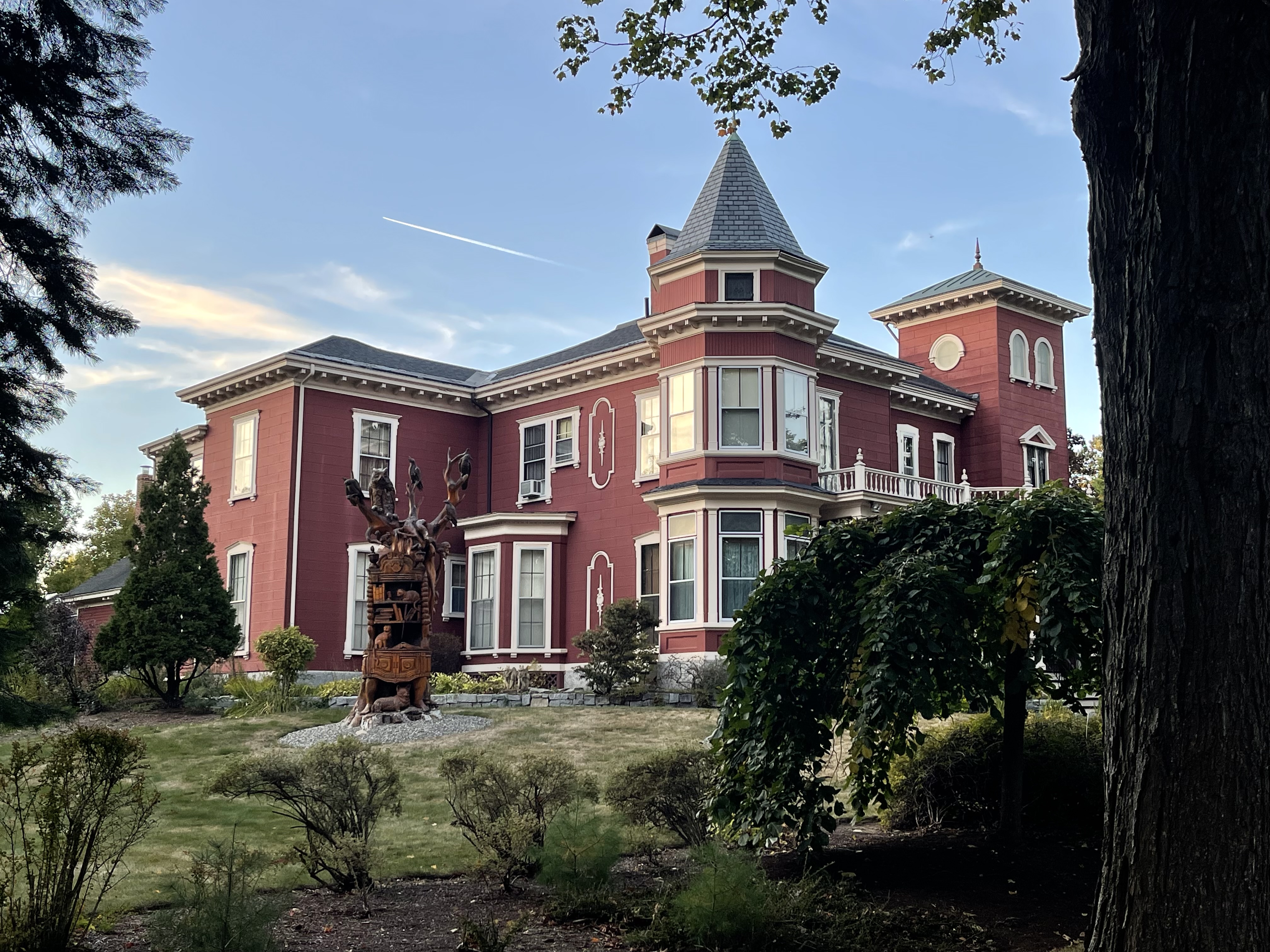
It just so turns out that we visited Bangor, Maine today and couldn’t help drive by his house. Here it is:

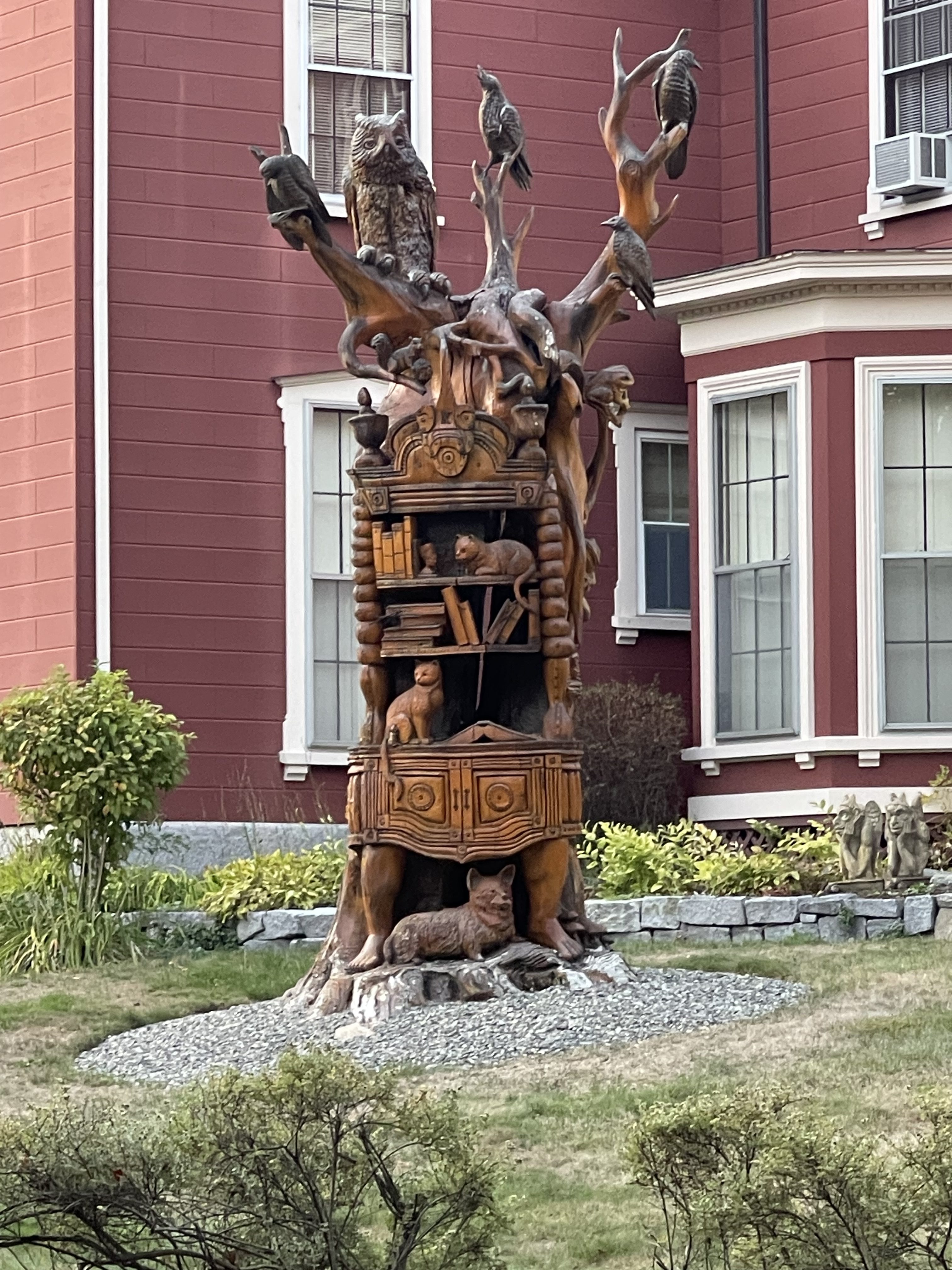
There is a statue carved out of the trunk of a dead tree in his yard. Here is a close-up:

For details, click on the image and zoom in.

The tree was a large ash tree in the front yard of Stephen & Tabitha King’s house. It was around 300 years old and had become infested with insects. When it needed to be removed, Tabitha wanted to preserve the tree in some way and she came up with the idea of turning the stump into a sculpture.

The piece was done by the wood carving artist Josh Landry from North Anson, Maine. He carved it using a chainsaw. It took him about a month.

The carving is full of symbols and references meaningful to the Kings and their life. Some of what the sculpture includes are a bookshelf, of course, and many animals like owls, ravens, cats, frogs and even a dragon. There is a corgi dog at the base, presumably a tribute to King’s dog Molly.

Tabitha King described her idea as wanting the tree to “give everything to us”: oxygen, the wood for furniture, and paper for books. She wanted to honor the role trees play in life, not just physically but metaphorically.

I think she succeeded.

Check out Josh Landry’s website here. There is even a picture of him on top of the sculpture.

Book Review: Blue Highways – by William Least Heat Moon

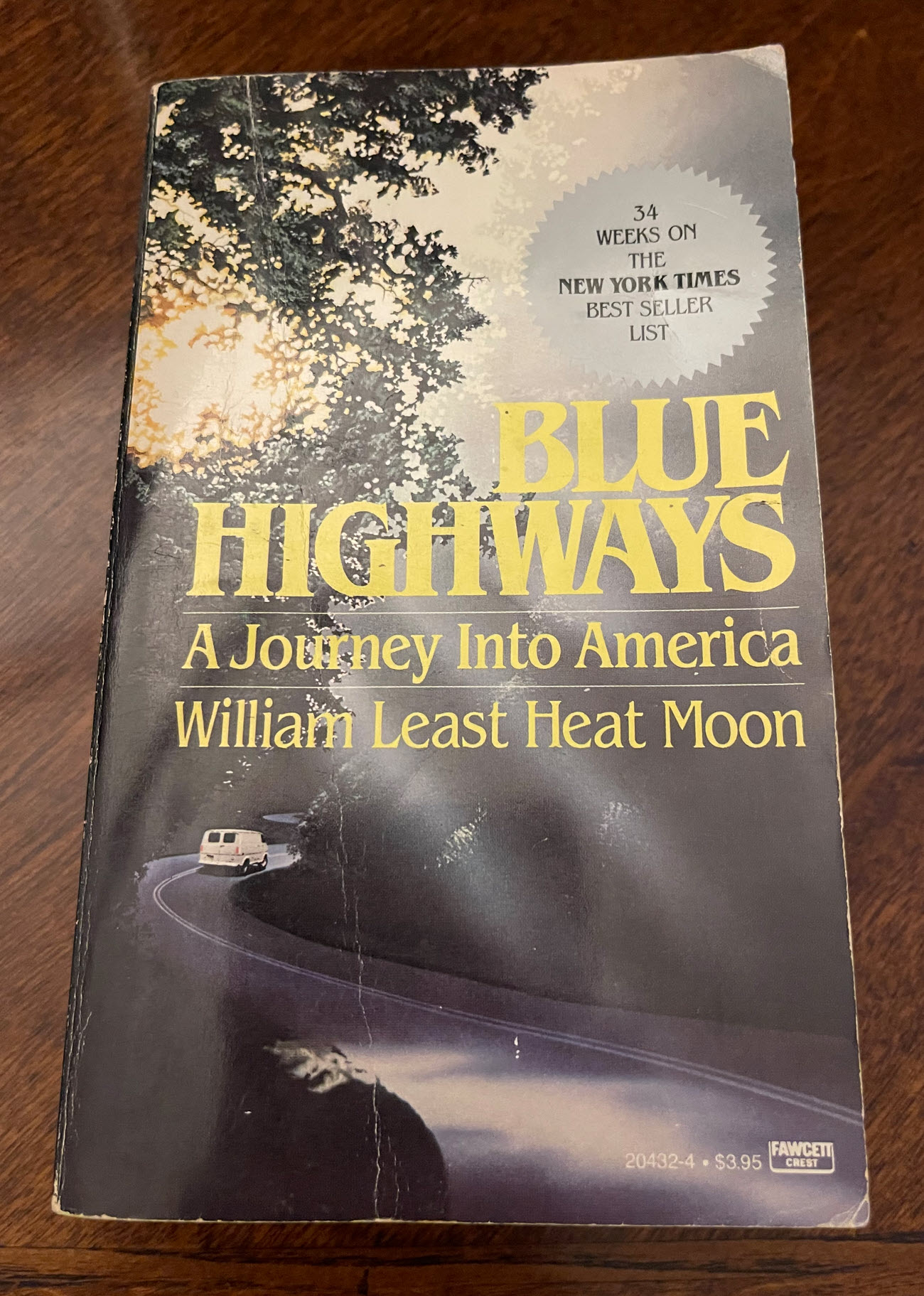
Blue Highways was first published in 1982, and that’s when I bought my copy. Here is a picture of it on my desk. The pages are yellowed, the print is small, and the book cost $3.95 in 1982. It’s been on my shelves, and in boxes, for all these years.

When I first bought it, I read perhaps 20 or 30 pages, and then I faded. It has 426 printed pages and the print is quite small.

Recently I bought it again on Kindle, at many times its original printed cost, just so I can read it in an acceptable formfactor. Printed books just don’t work for me anymore. And somehow I can read long books more successfully on Kindle, than when I have to turn physical pages.

And there you have it, I have read Blue Highways all the way through. It’s a classic, I have talked about it many times over the years with people, acting like I knew it, and now I have finally earned it.

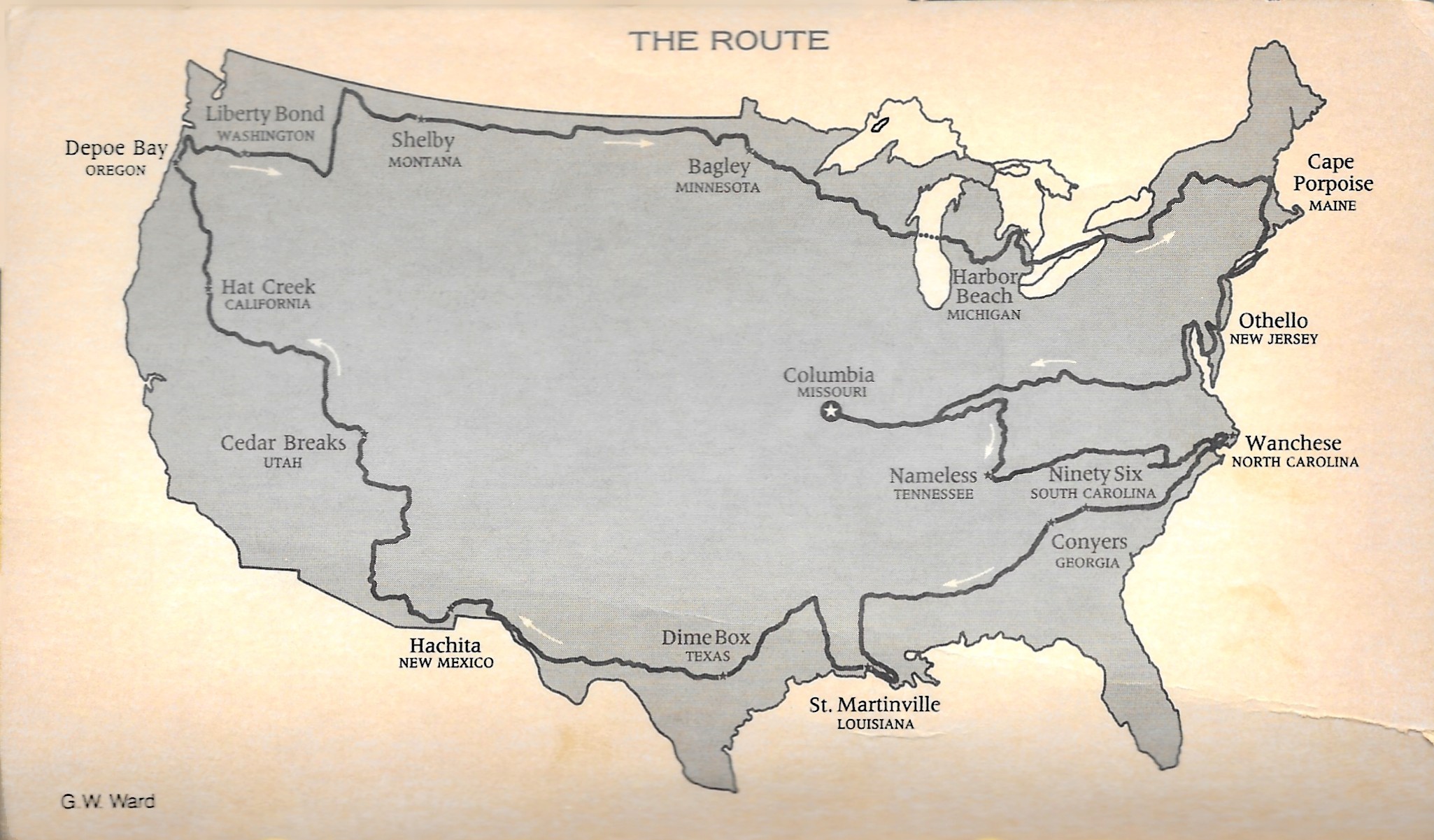
William Least Heat Moon is a travel writer, and Blue Highways is his most popular book, the one that put him on the map. On the first of day of spring, on March 20, 1978, he left his home in Columbia, Missouri in his van to travel around the country, avoiding all freeways, and  going only on country roads,  which were shown in blue on the maps of those days. Hence the title Blue Highways.

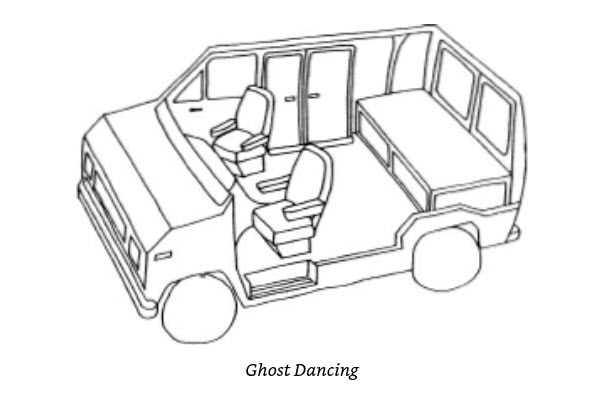
Here is a diagram of his van:

He called the van Ghost Dancing.

Ghost Dancing, a 1975 half-ton Econoline (the smallest van Ford then made), rode self-contained but not self-containing. So I hoped. It had two worn rear tires and an ominous knocking in the waterpump. I had converted the van from a clangy tin box into a place at once a six-by-ten bedroom, kitchen, bathroom, parlor. Everything simple and lightweight—no crushed velvet upholstery, no wine racks, no built-in television. It came equipped with power nothing and drove like what it was: a truck. Your basic plumber’s model.

Ironically, I had a high school friend who took his van, I believe it was an Econoline, across the country in the summer of 1978,  from New York state to Arizona, where I lived at the time, to visit us. It seems like more than one person traveled the nation is vans in those days, but not too many wrote books about it.

He circled the country clockwise as shown on the map below:

In his billfold he had four gasoline credit cards and twenty-six dollars in cash.  Hidden under the dash were all his savings: $428.

With that, he managed the trip around the country in three months, coming back on the first day of summer of 1978.

He tells vignettes of adventures or challenges, and he tells the stories of people he meets and spends time with along the way, be that hitchhikers, shop keepers, bar maids, gas station attendants, fishing boat skippers, ferry captains, and many, many residents in various small towns of America of the 1970ies.

I identified with the stories, because the late 1970ies is when I came of age and started my adult life. One of his stops is Kennebunkport, Maine. I now know that town because it became notorious through George H. W. Bush as his summer estate. The entire country learned about Kennebunkport. But Bush became president in 1989. Blue Highways was published in 1982, and the trip happened in 1978. Nobody then had ever heard of Kennebunkport, except for the locals there.

I saw many parallels of what one might encounter on a trip around the nation on blue highways today, and what it was like in 1978. It almost makes me want to retrace his trip.

Reading Blue Highways for me was rewarding just because I can now say I read the old yellowed book. It was a nostalgic trip through my early years. When I put the book down I decided I am definitely ready for an extended road trip.

I need to get out!


Some Fresh Air at Woodstock

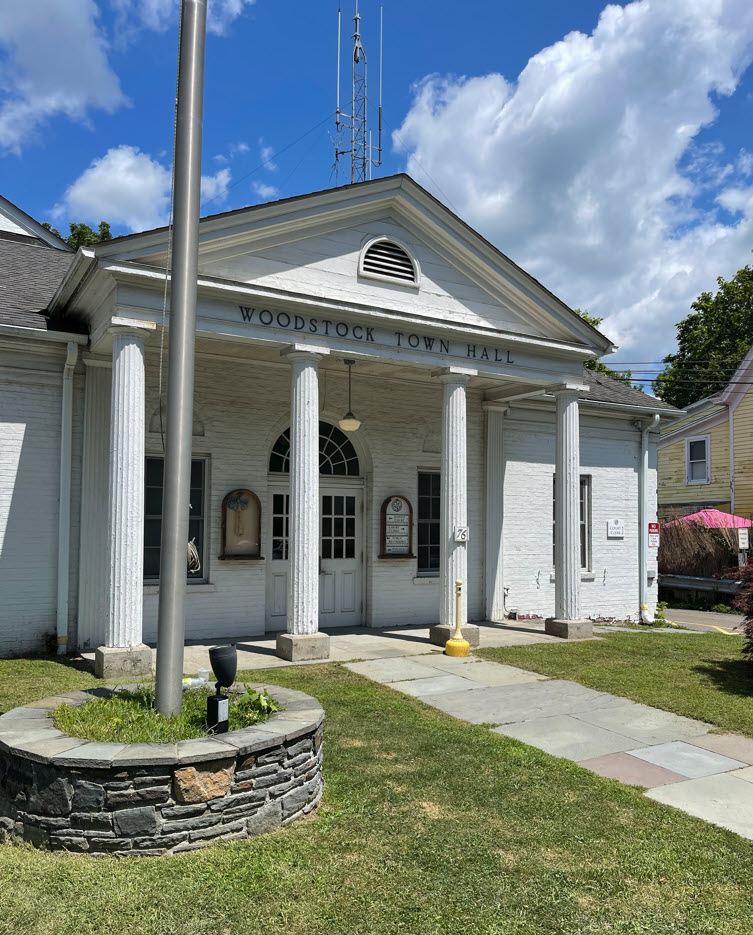
Today we visited Woodstock. Took a walk along the main street, had some ice cream, and did some window shopping. Here is the town hall:

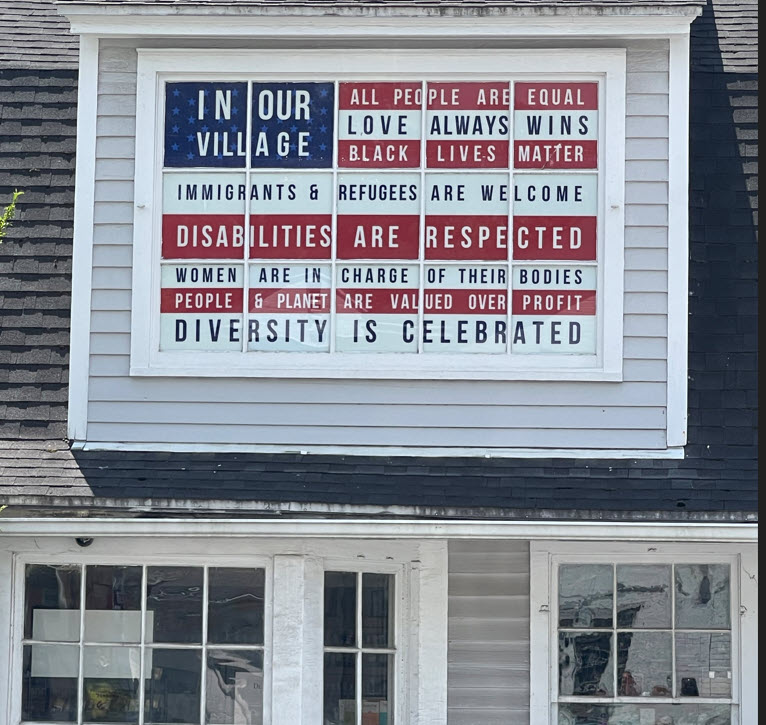
Then I turned around and saw this sign on the other side of the street above a store:

I smiled and I felt comfortable about my country – at least for the moment.

Oh, Chicago!

I have been to Chicago hundreds of times over the last twenty years, but always just for layovers in O’Hare. The last time I remember walking the city streets was perhaps in 2004 or 2005, a very long time ago — until today.

I had a little extra time in my schedule this afternoon and I decided to check out the Art Institute of Chicago, which was just a couple of blocks away from my hotel. Here is the main entrance on South Michigan Avenue:
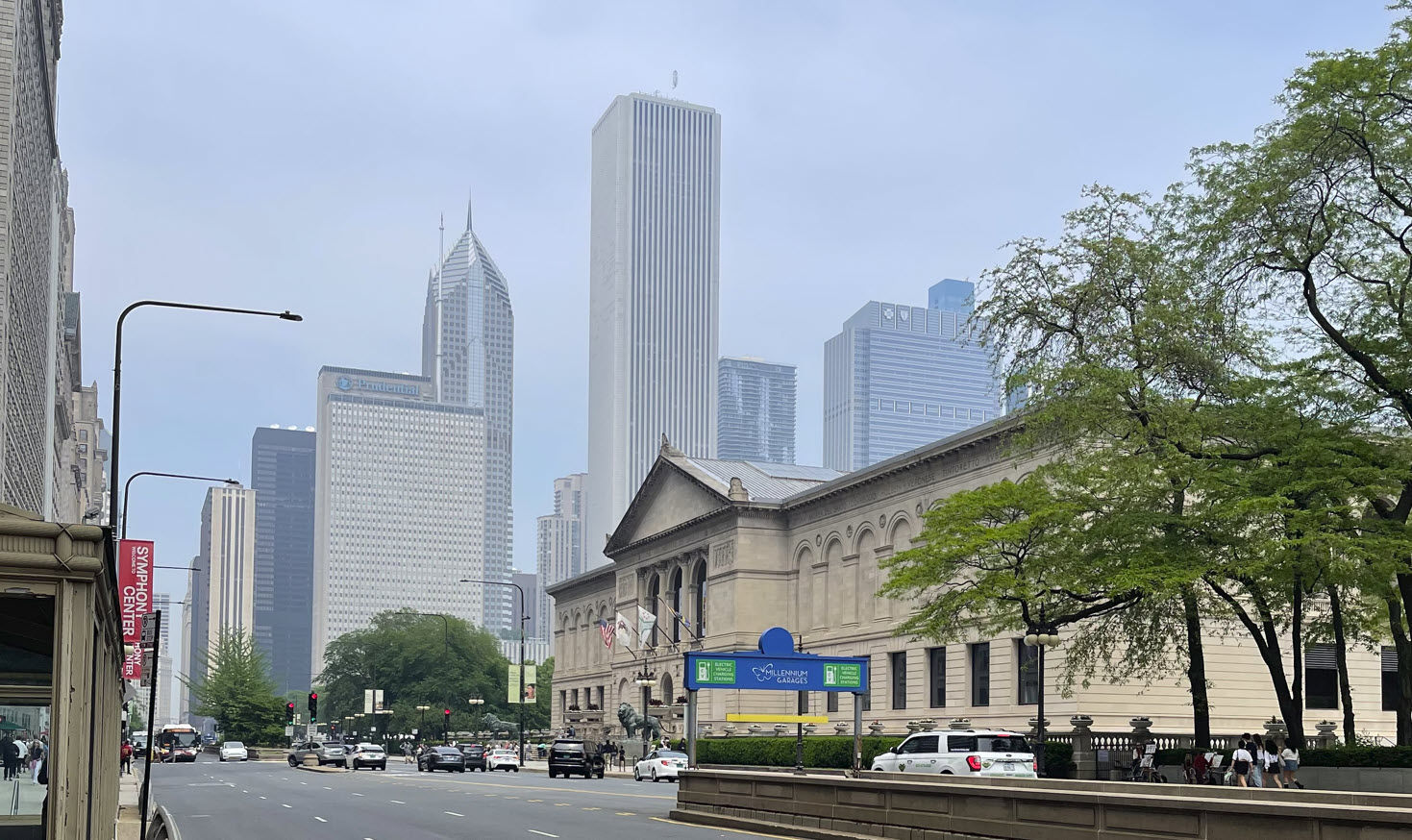
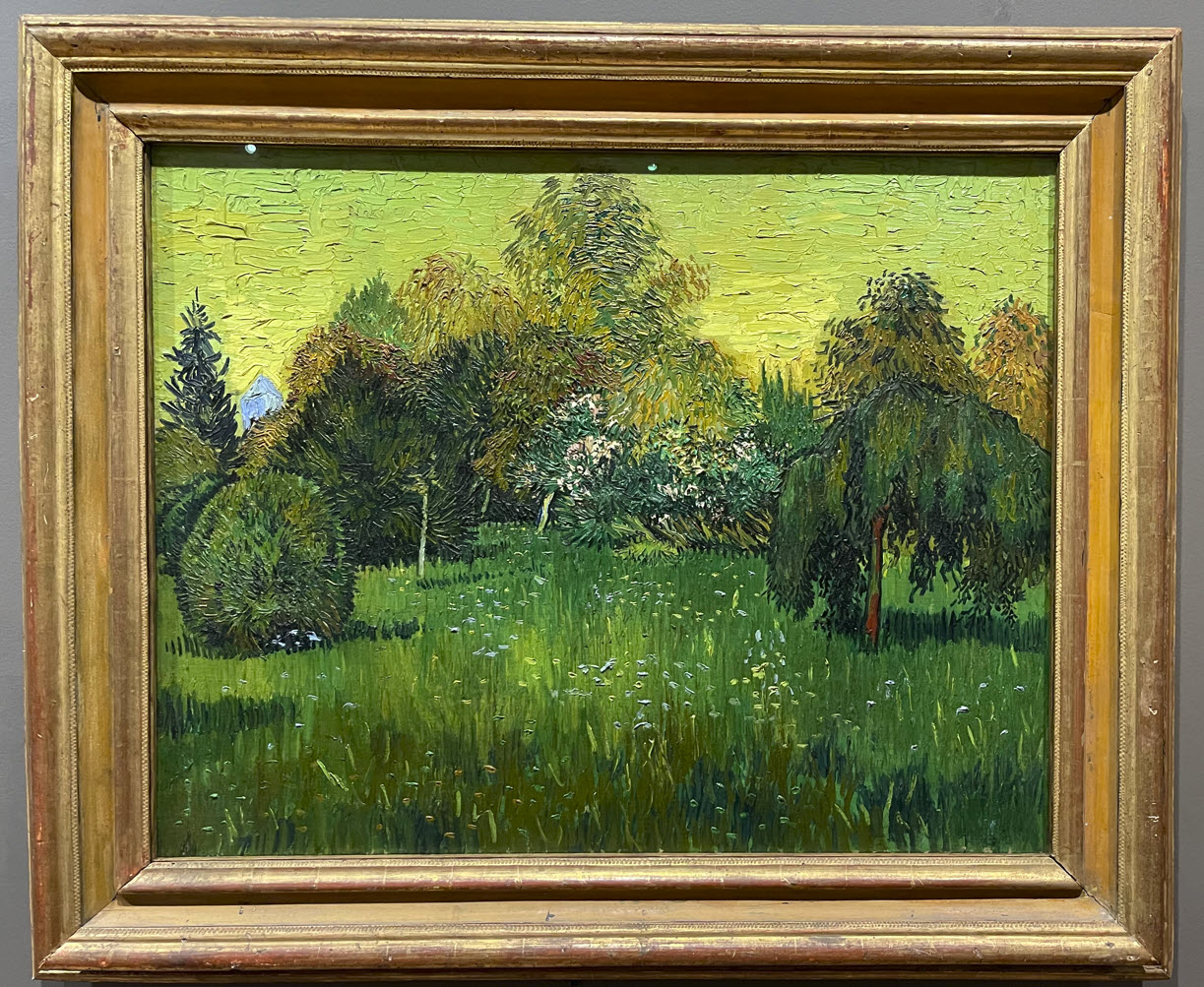
I was very impressed. The Institute is a very nice museum, not at all crowded or tight. And the art was amazing. Mind you, I was just at the Louvre last summer, and I am not comparing the two museums in terms of scale. But I loved the museum itself, and the variety and quality of the art. There were many famous pieces that I had only seen in books before, and there were more works from van Gogh than one usually sees in an American museum. With van Gogh, I always want to take photos of them all, but I had to hold myself back, and only show this one here:

The Poet’s Garden.
After several hours and thousands of steps, when my eyes were full and my feet hurt, I left and sat down on the stairs in front of the main entrance. When I looked up, I saw the Willis Tower, formerly the Sears Tower until it was sold in 2009.
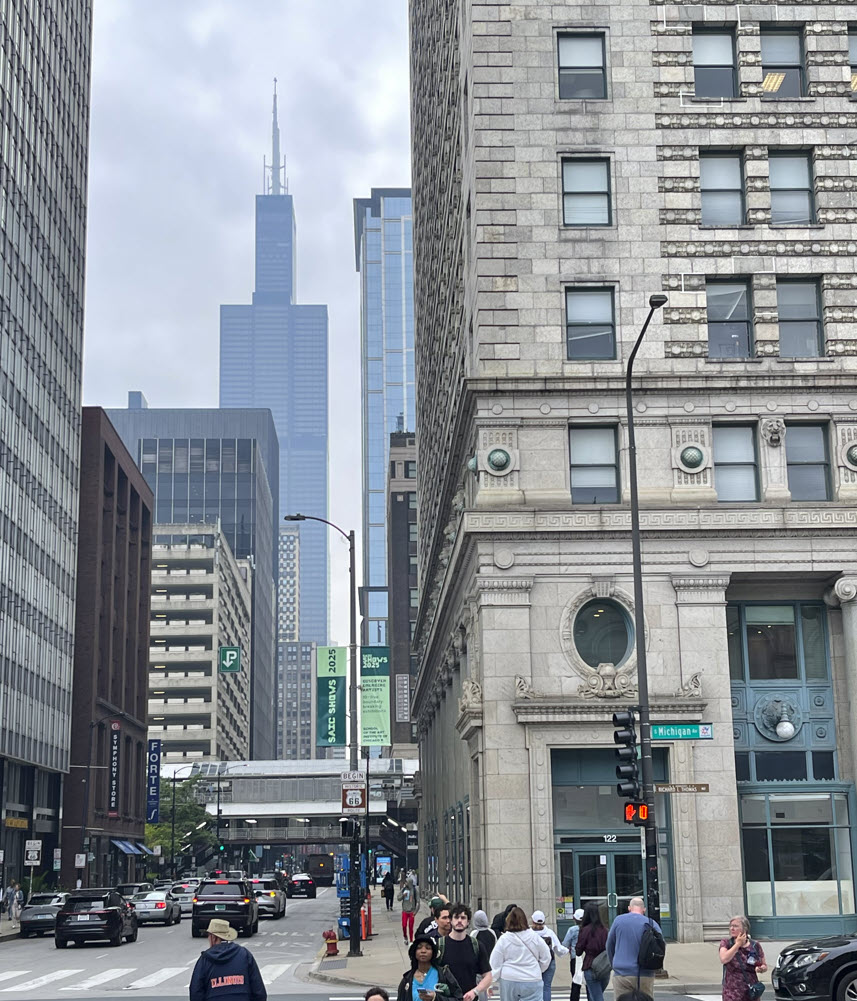
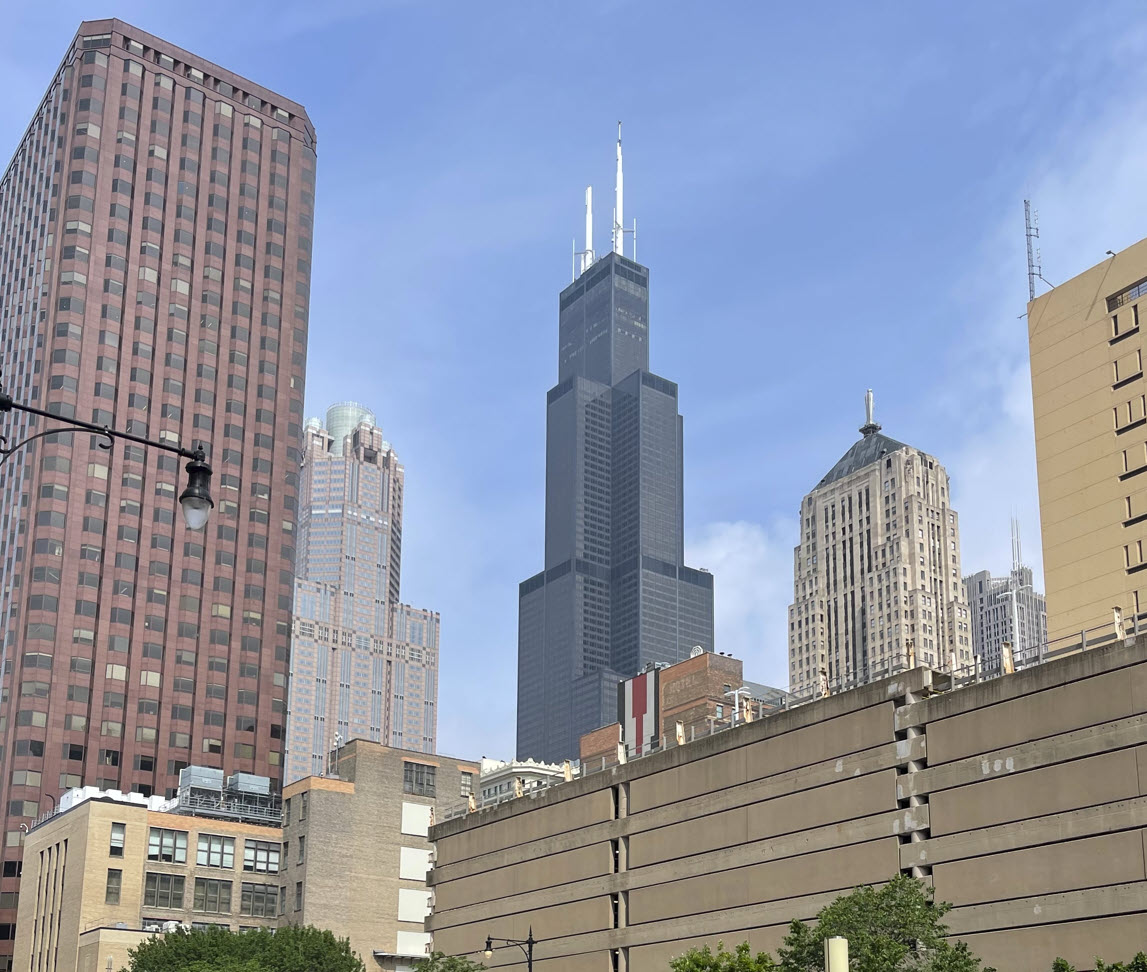
With a height to the roof of 1,450 feet and 1,729 feet including the antenna, this was the highest building in the world from 1973, when it was completed, until 1998, when the Petronas Towers were built in Malaysia. It is still the tallest building in Chicago today.

Here is a better view from a different angle, a few blocks away:
A block in the other direction is the Millennium Park. One of the attractions there is the Jay Pritzker Pavillion:
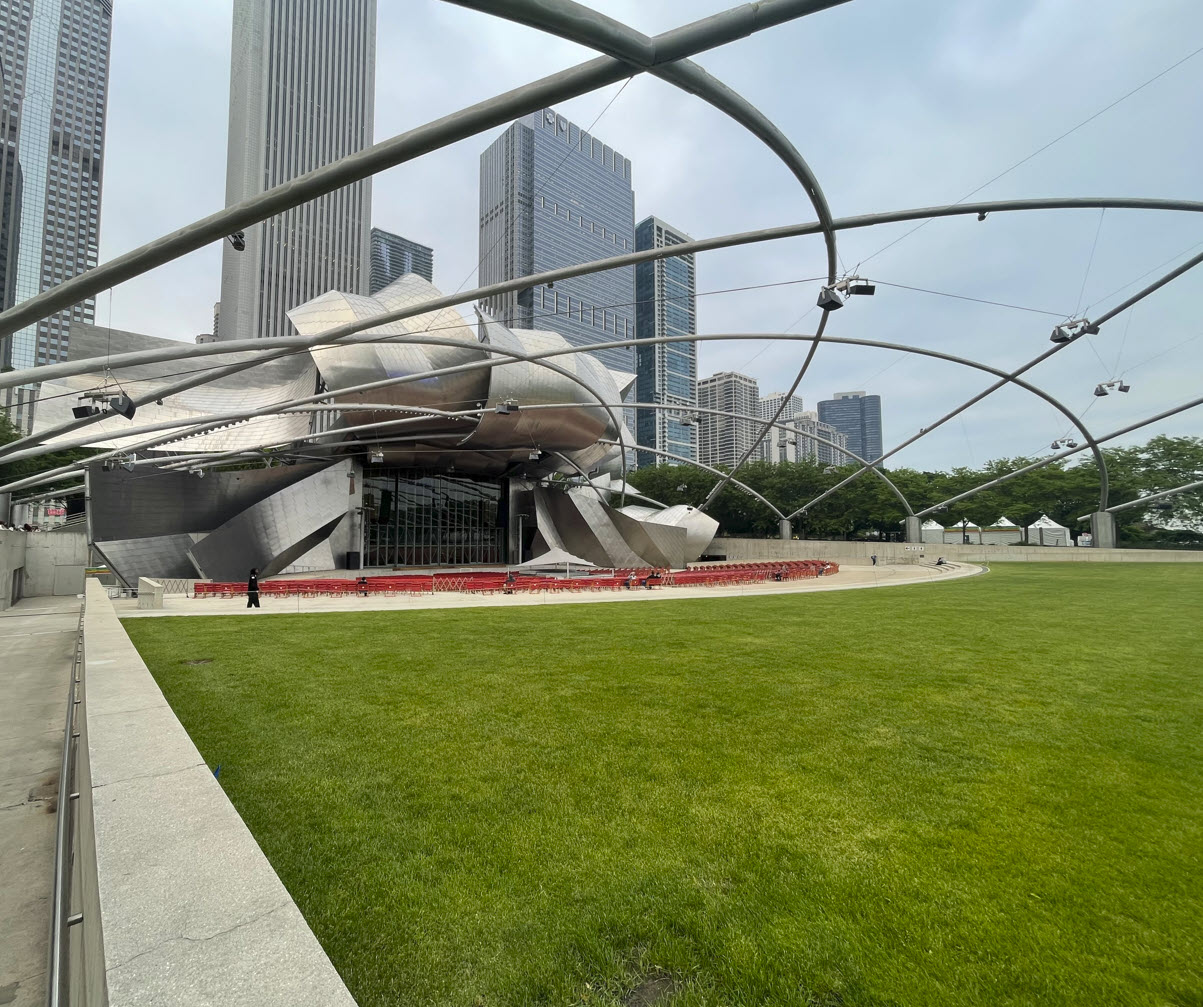
It is an outdoor theater. There are seats in the front area (the red row) that looks small from where I took the picture, but it actually contains 4,000 fixed seats down there. In addition, there is a 95,000 square foot lawn that can accommodate an additional 7,000 people. 
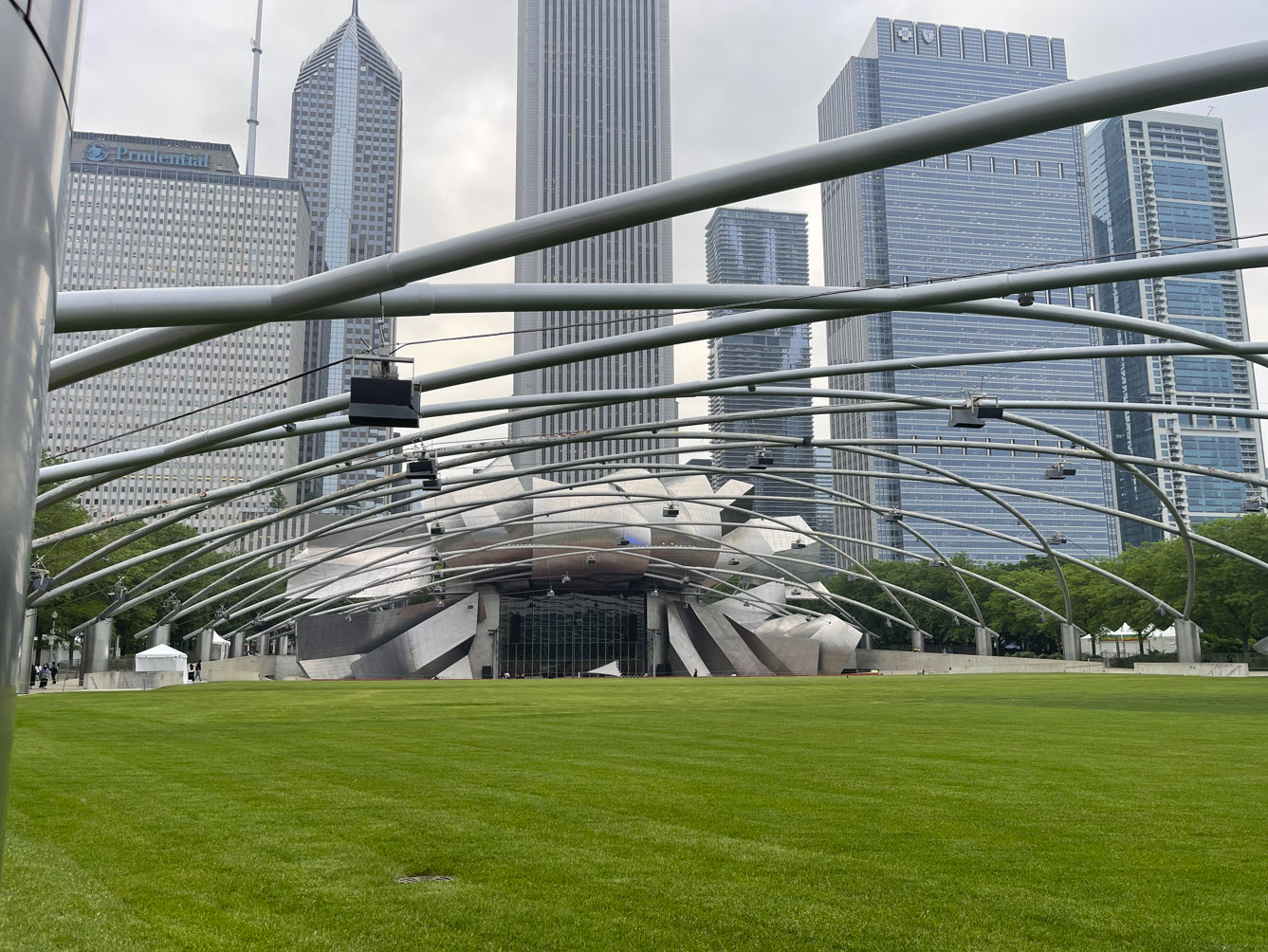
Here is another photo of the great lawn from further back. This venue reminds me a bit of the Rady Shell in San Diego. We were just there last week for a concert of Hauser (which deserves a post of its own). The Rady Shell has 4,516 fixed seats, with the possibility of increasing to 6,000 for certain events and standing-room-only shows accommodating 8,500. So the two venues are quite similar. 

Another attraction at the Millennium Park is Cloud Gate, which is affectionally called “the Bean.”
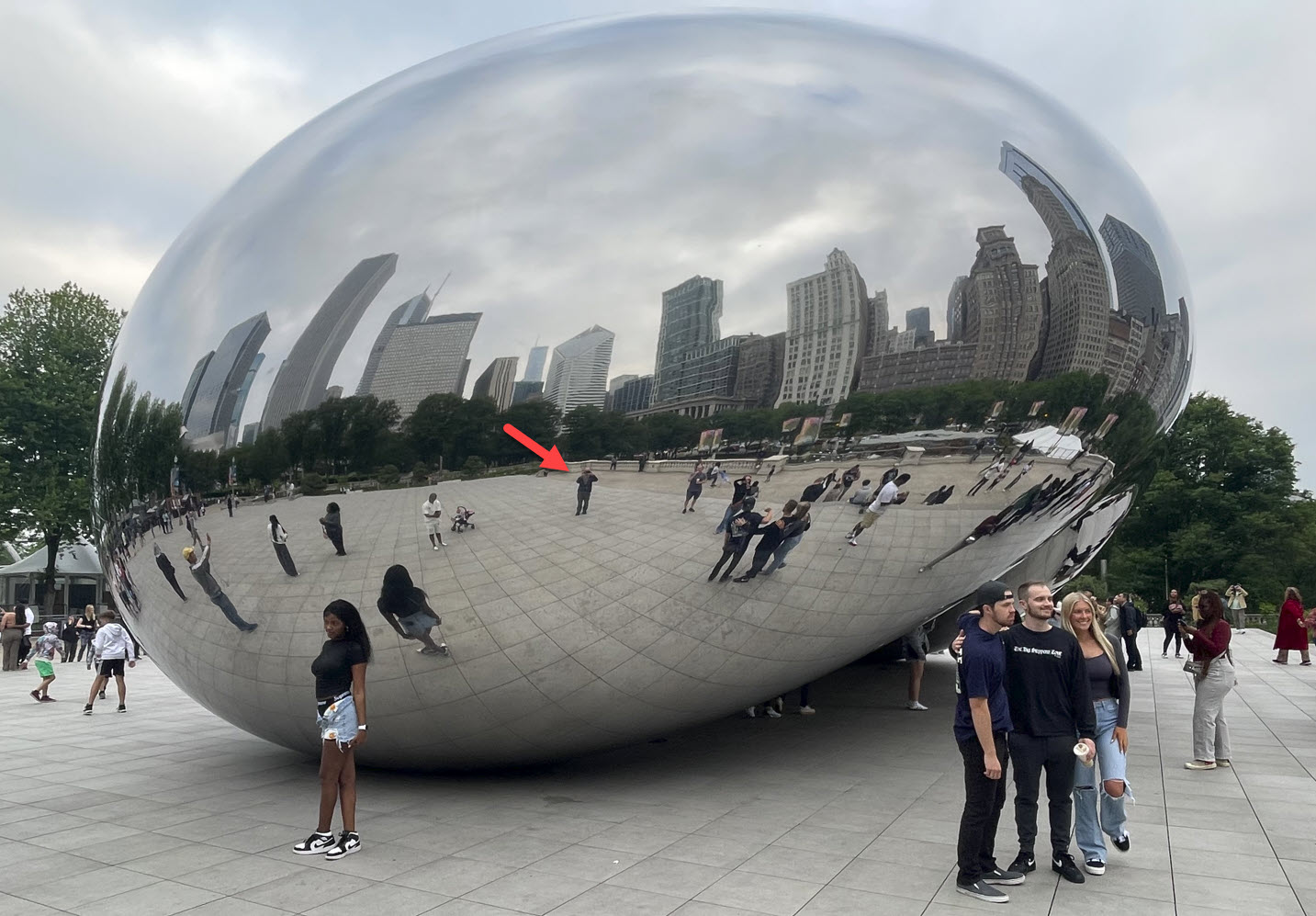
This iconic sculpture was created by British-Indian artist Anish Kapoor and has become one of Chicago’s most photographed landmarks. The sculpture measures approximately 66 feet long, 42 feet wide, and 33 feet high, weighing around 110 tons. It is made of 168 stainless steel plates welded together.

I took the above picture and you can see me in the reflection at the red arrow. Due to the distortion, I look much farther away than I actually am. I was no more than 30 feet from the object.
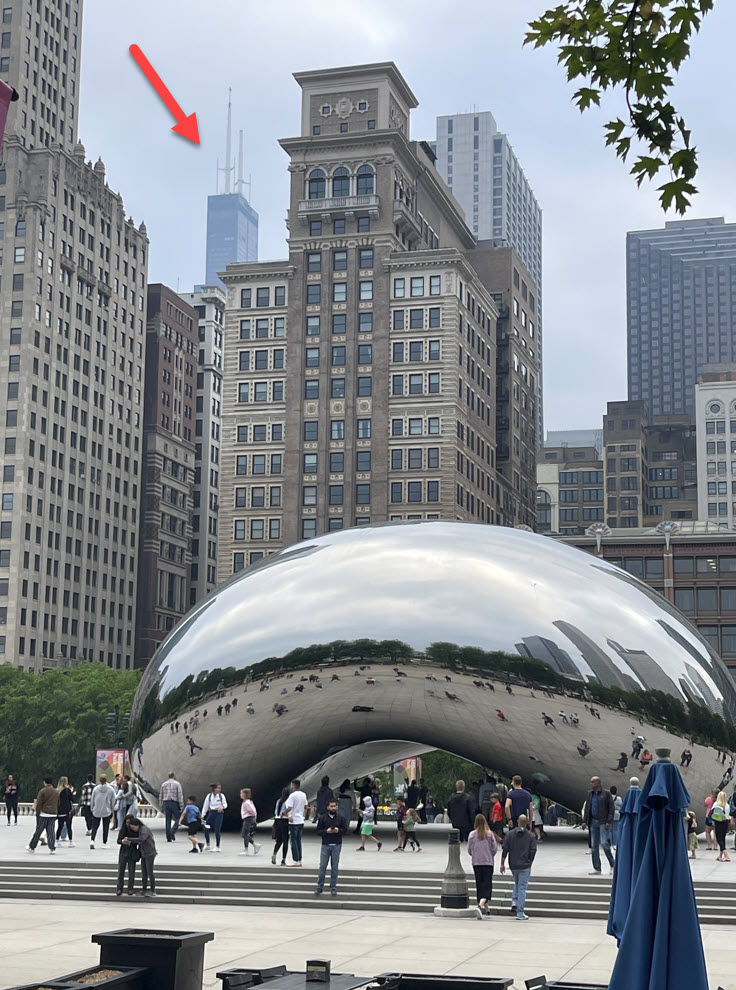
The above photo shows the Bean from another angle. You can see you can go under it, and it’s just as shiny and reflective there, and it really dazzles the eyes, resulting in some disorientation walking under it. Incidentally, above in the distance (red arrow) you see another view of the top of the Willis Tower.

Finally, on my walk back to the hotel, I could not help but noticing the ubiquitous name we can’t seem to get away from nowadays:
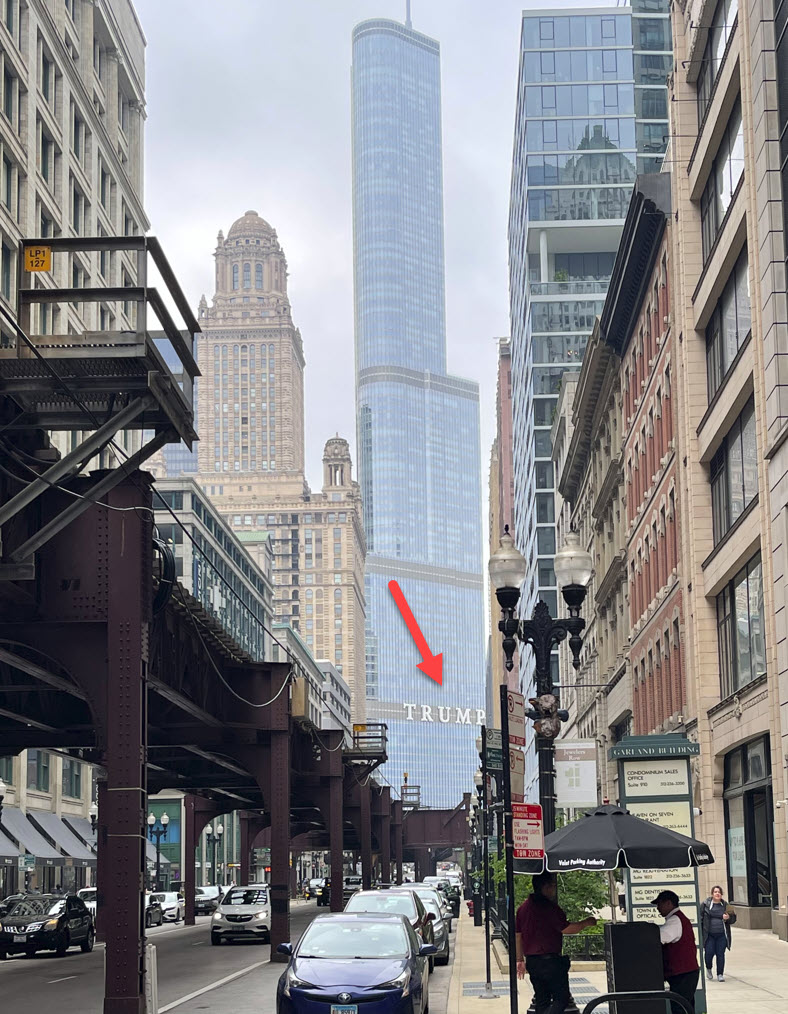
The Trump International Hotel and Tower is a skyscraper condo-hotel. The building is a 100-story structure, which reaches a height of 1,388 feet including its spire, its roof topping out at 1,169 feet.

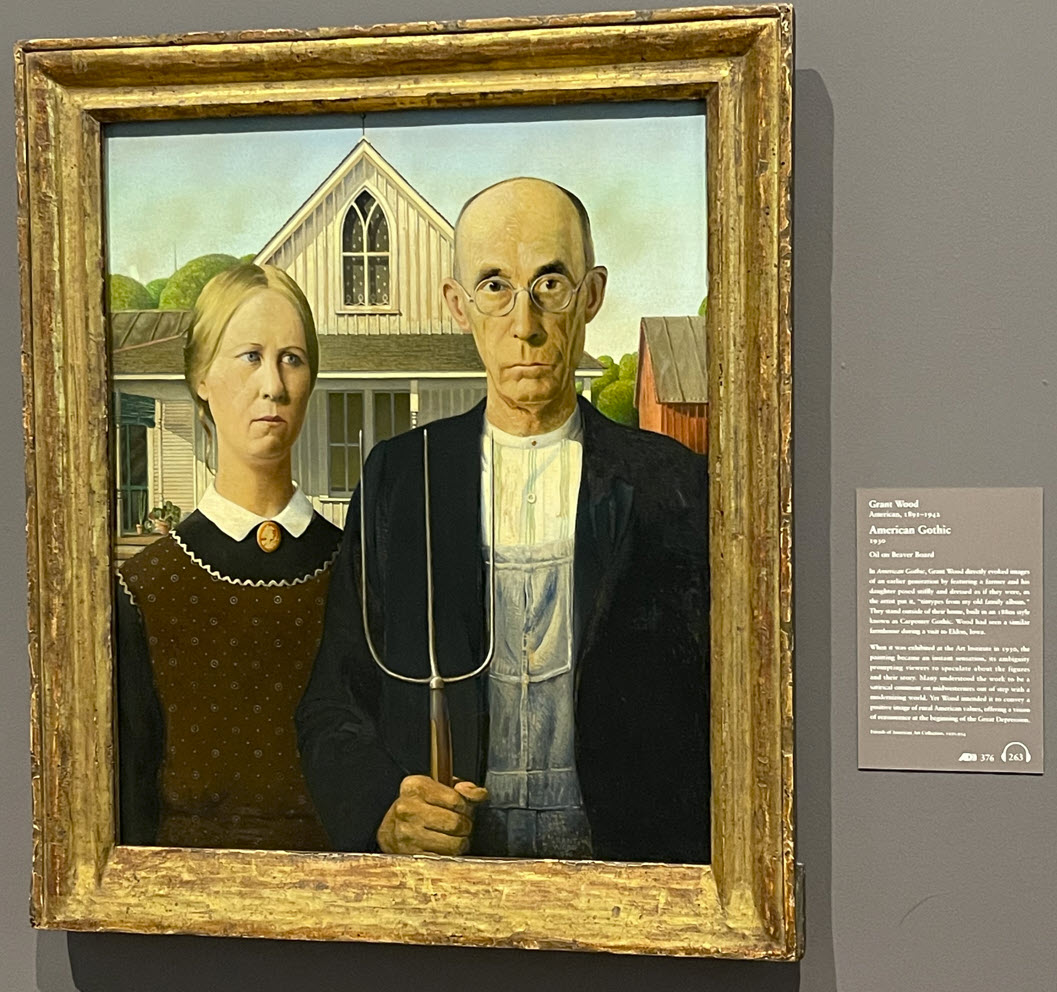
I can’t quite end a post about Chicago with a paragraph about a Trump property, so I will revisit one more painting from the Art Institute: American Gothic by Grant Wood, 1930.
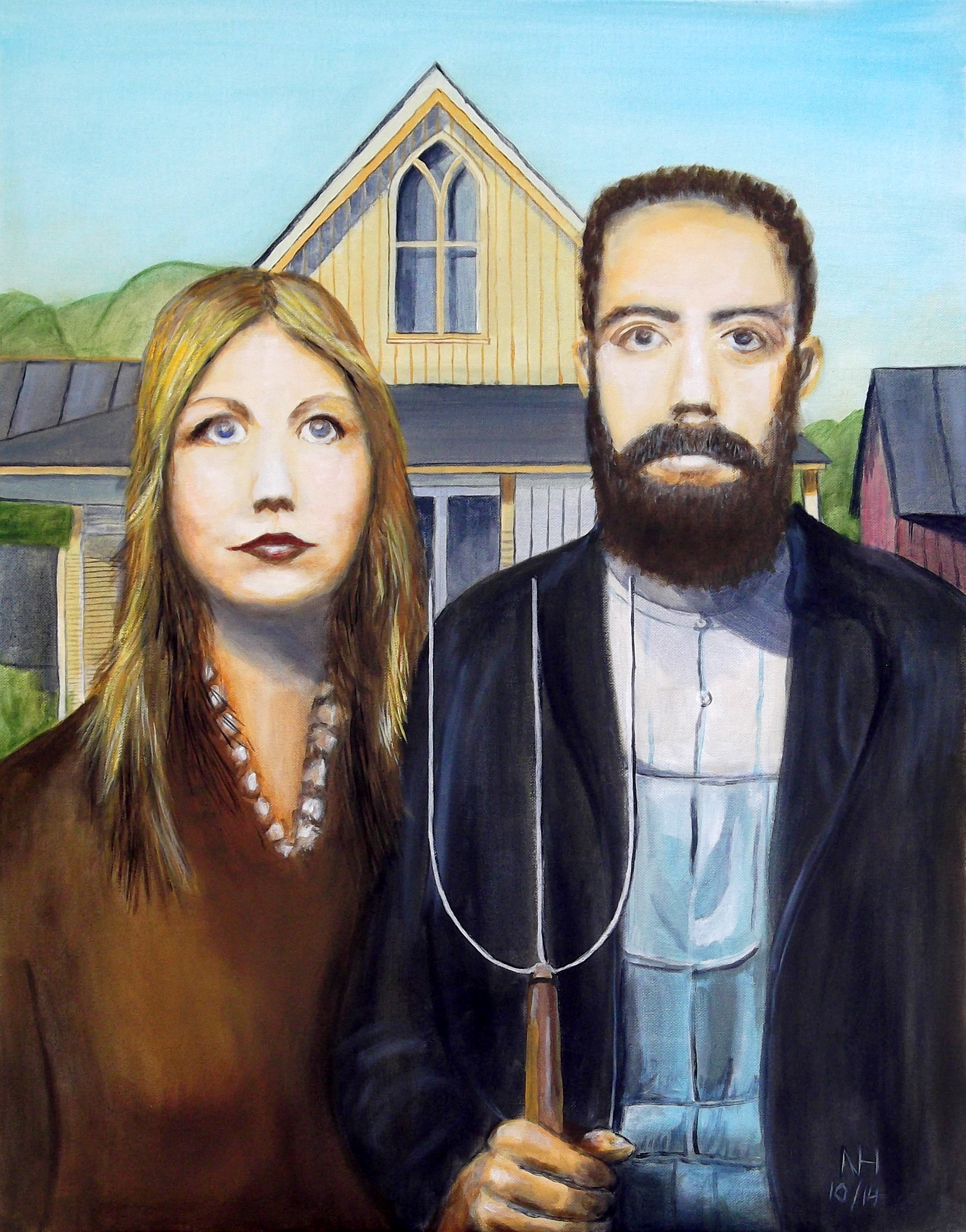
This painting was the inspiration for my own version, titled Pitchfork, which I painted in 2014, featuring my daughter and son-in-law:
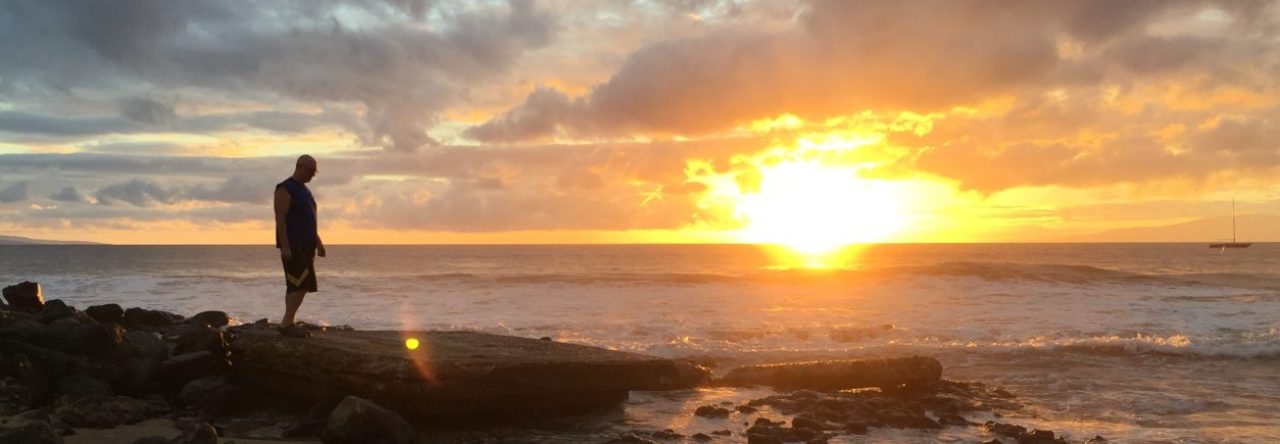
This will make for a happy ending of this post.


The Lady Buddha Statue in Da Nang

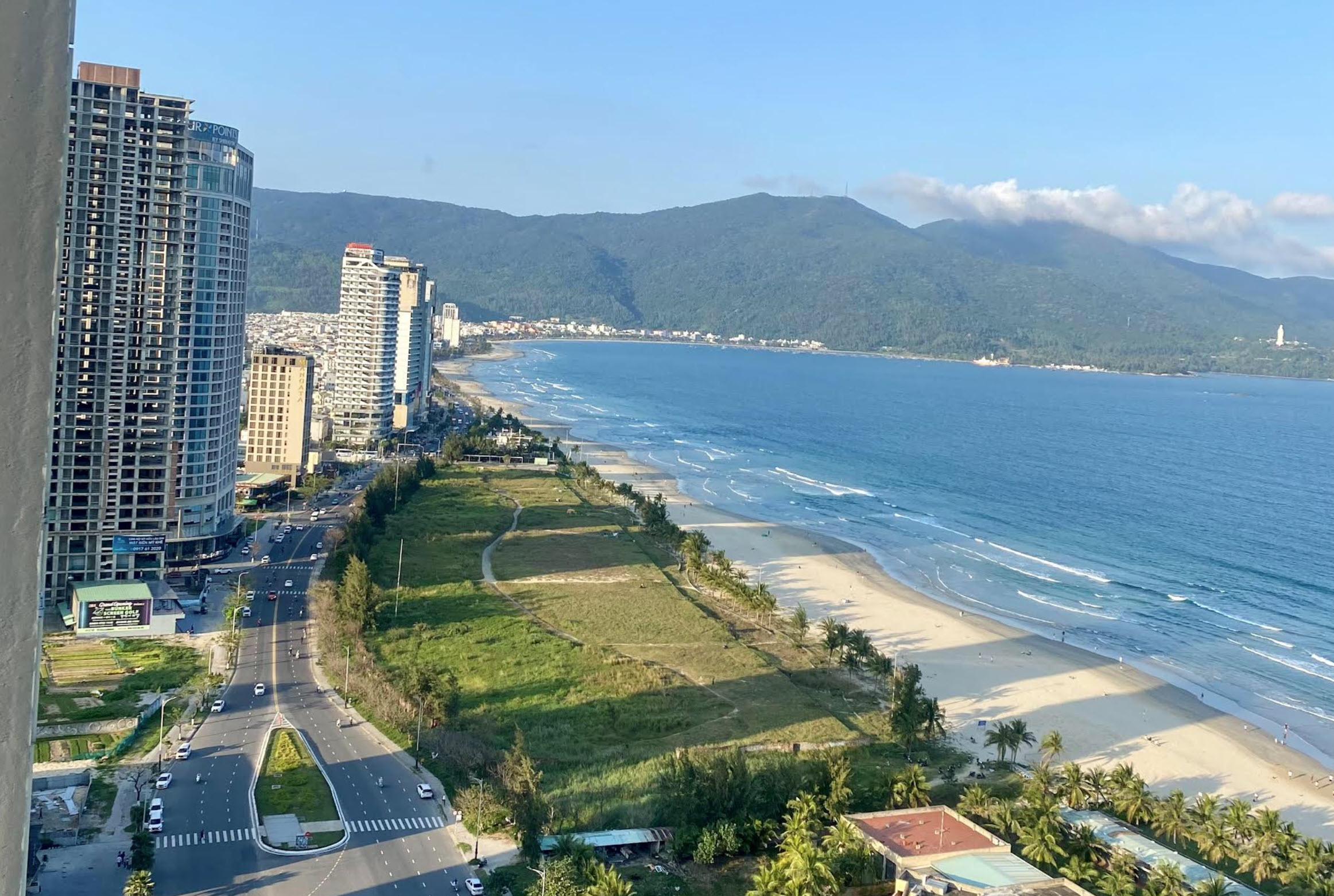
Outside of Na Nang, in Vietnam, visible across the bay, is the giant and magnificent statue of the Lady Buddha, tượng phật bà quan âm in Vietnamese. You can see the statue in a picture my wife took from the rooftop bar in our hotel on the right side of the image. You can click on the photo to zoom in.

The statue is 67 meters (220 feet) tall, which is about the height of a 22-story building, or something along the height of the neighboring hotels on the left of the photo. It is the tallest Buddha statue in Vietnam. For comparison, Christ the Redeemer, the famous statue in Rio, is 38 meters tall, including the pedestal, which is 8 meters by itself.  At 67 meters, the Lady Buddha is almost twice that tall.

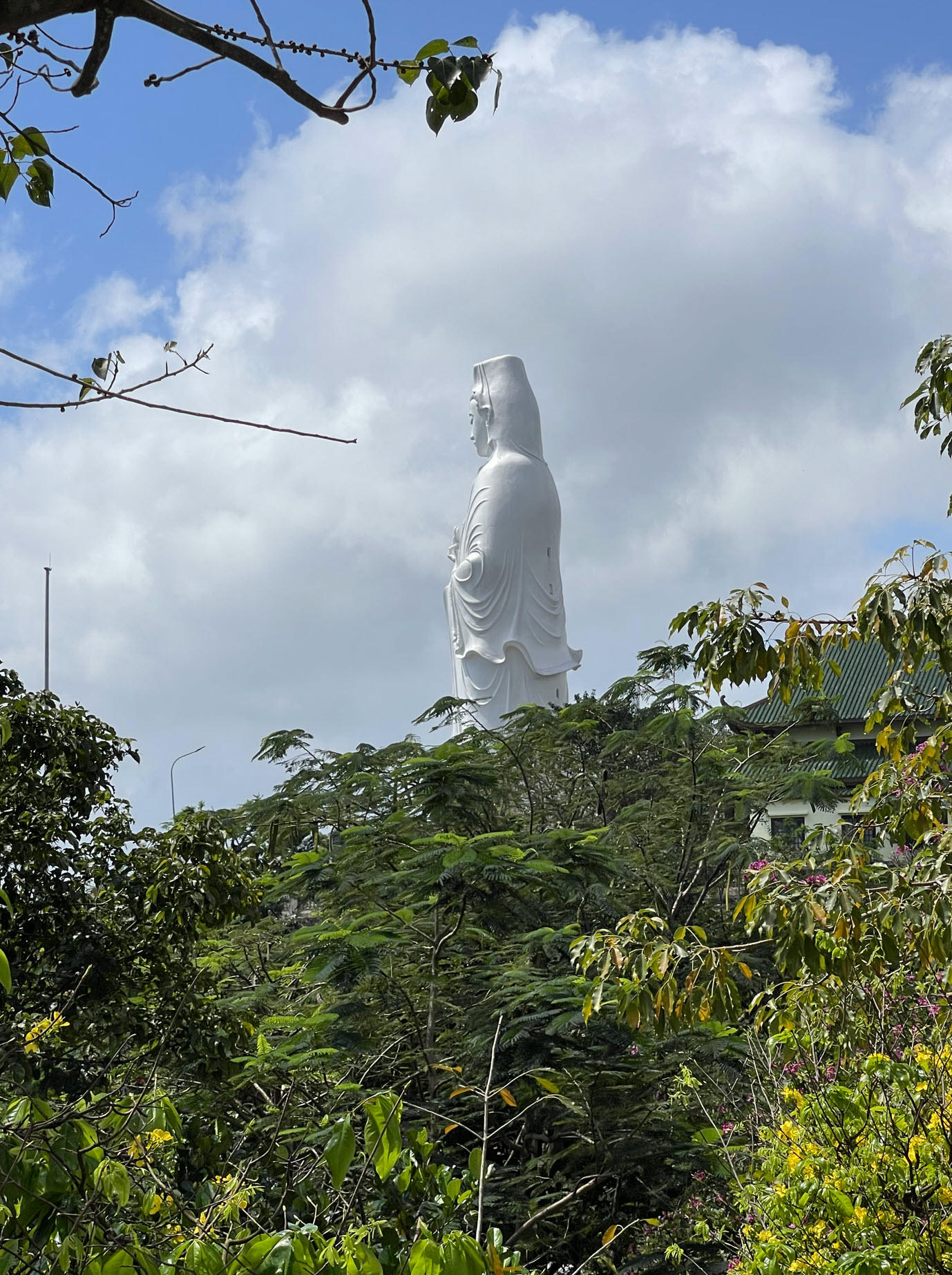
It towers on top of a hill on the Sơn Trà Peninsula in the Monkey Mountains of Da Nang. As we were walking up to it, suddenly it came into view from behind some trees and it’s truly awe inspiring.

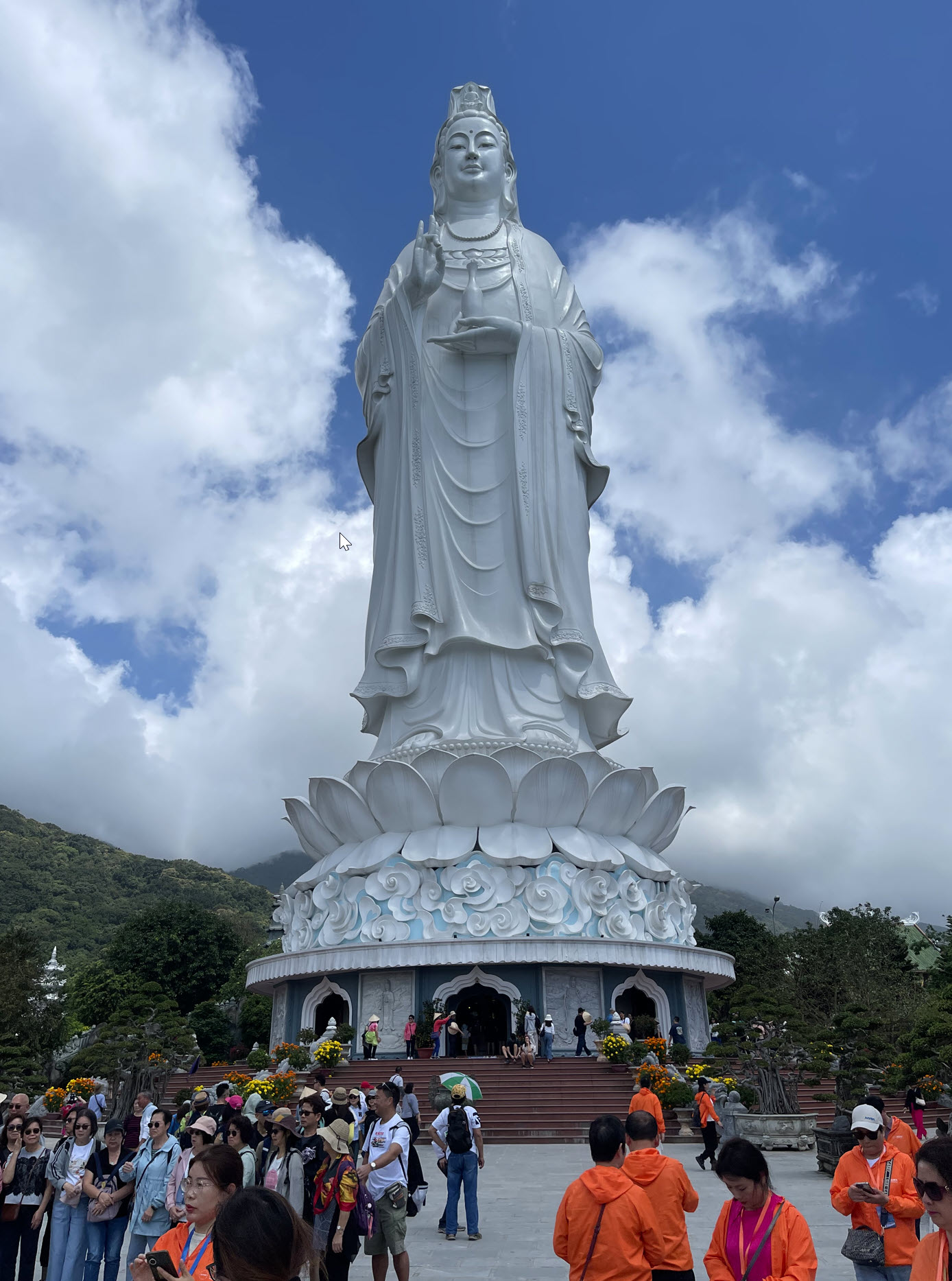
Then, finally, after a short walk, we were in front of it.

There is a little shrine underneath inside of it, and there are 17 floors inside of it. Access is restricted or only open during certain ceremonies or with permission. Each floor is dedicated to a different Buddha or Bodhisattva, with small altars and statues. These floors are like small shrines or prayer rooms stacked vertically within the statue. Of course, there are no windows, so it’s probably pretty claustrophobic in there. I didn’t get to go up.

I read one travel blogger claim that the statue is carved from a single block of marble. That is wrong. It would not be possible to carve something this big on site, or transport, let alone make it hollow. It is primarily constructed from reinforced concrete, combining traditional Vietnamese Buddhist architecture with modern design elements.  However, skilled artisans from the nearby Non Nuoc Marble Village were involved in its creation, contributing their craftsmanship to the intricate details of the statue.

We went to Non Nuoc. It is amazing by itself. There are many nearby quarries with excellent marble, and the artisans are very prolific. There are scores of shops, entire warehouses, full of art. Here is a snapshot from one such shop. The yellow building is their showroom.

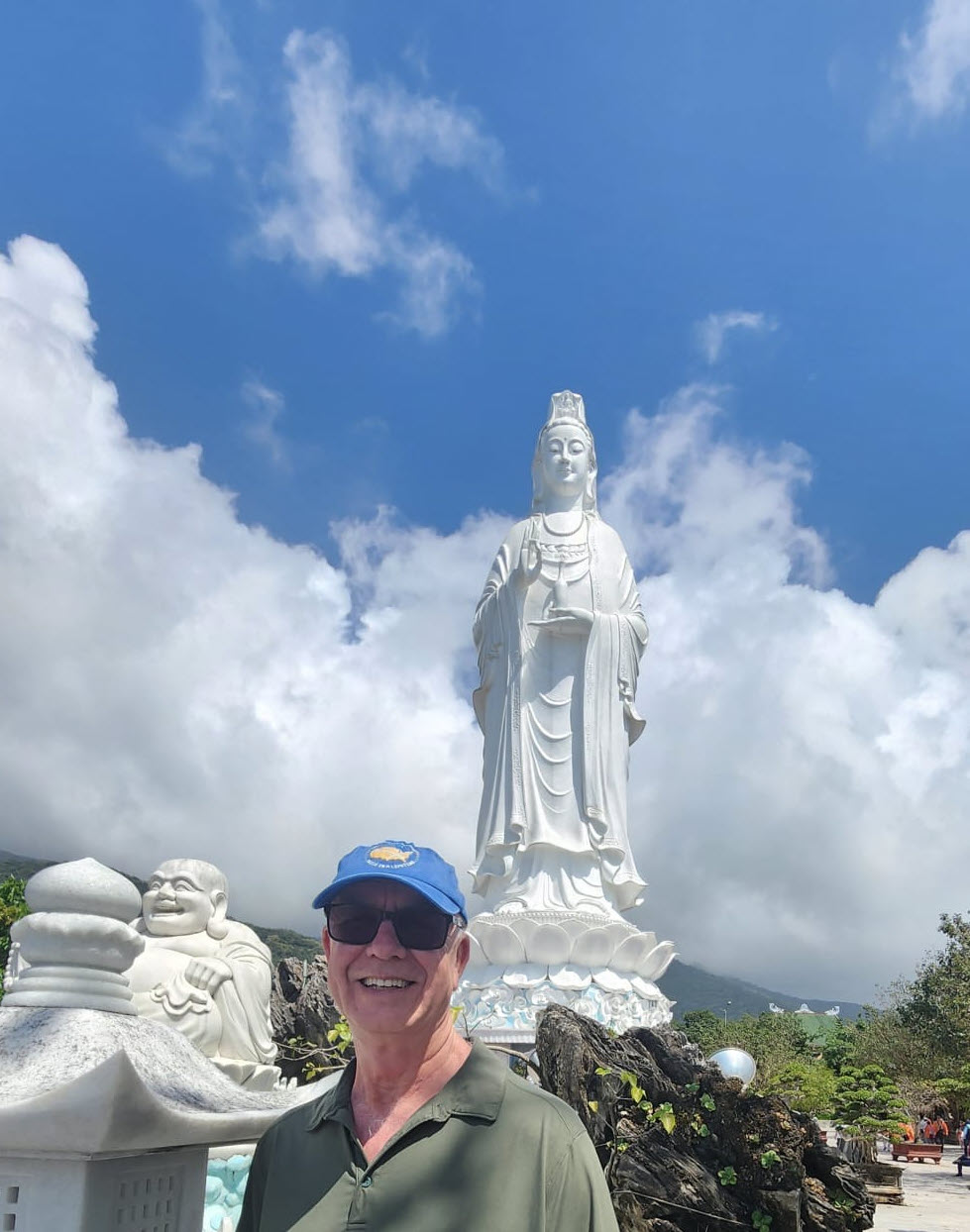
At the Lady Buddha, here is one more shot with me in it.

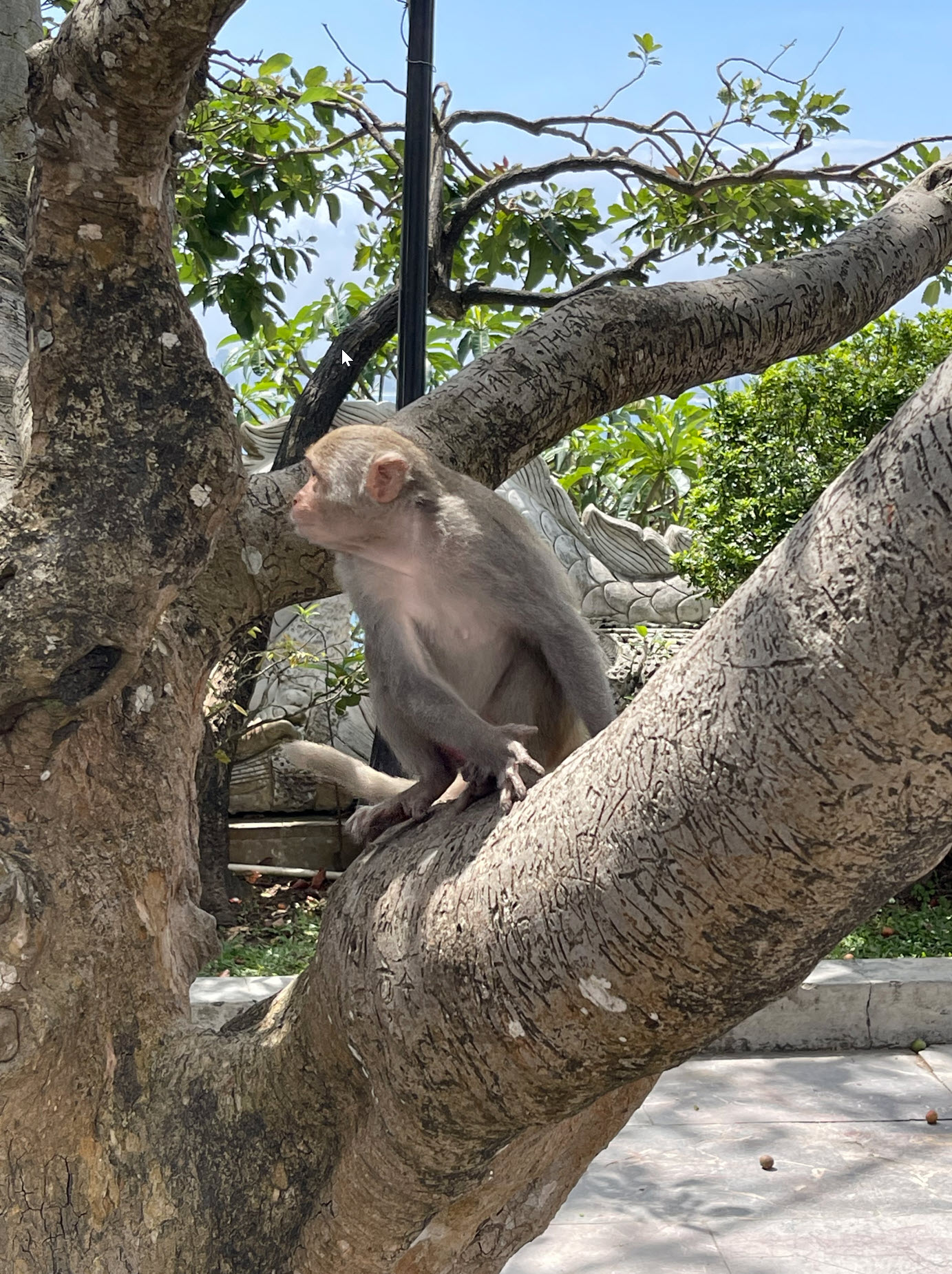
The area is called the monkey mountains, and indeed, the trees surrounding the park are inhabited by monkeys.

Finally, before leaving, I looked out over the bay, and here is a parting shot back to the city of Da Nang, with its characteristic high rise hotels, one of which was ours, lining the beach. From there is where we took the first picture in  this post, pointed here.

Buddha Offering Ruminations

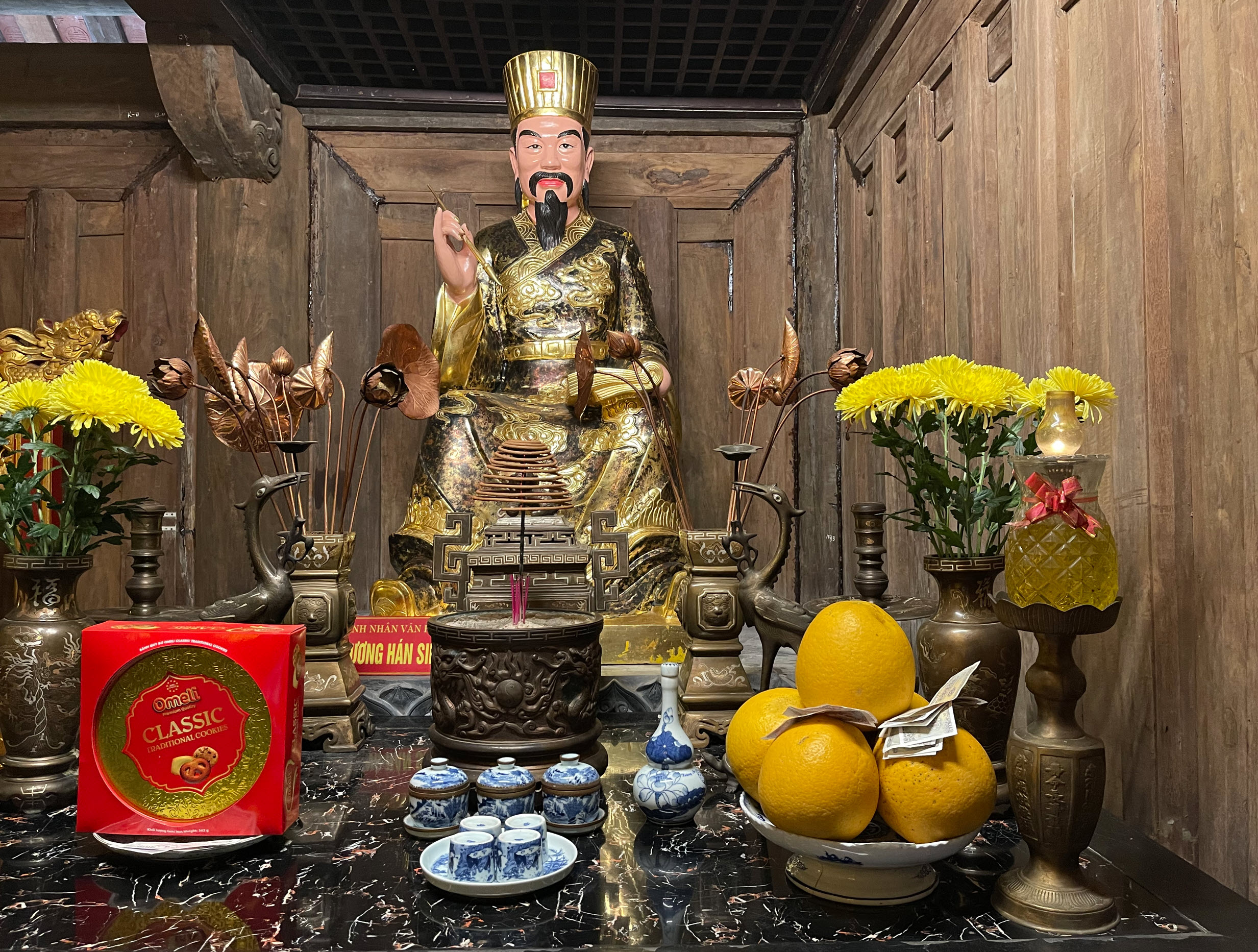
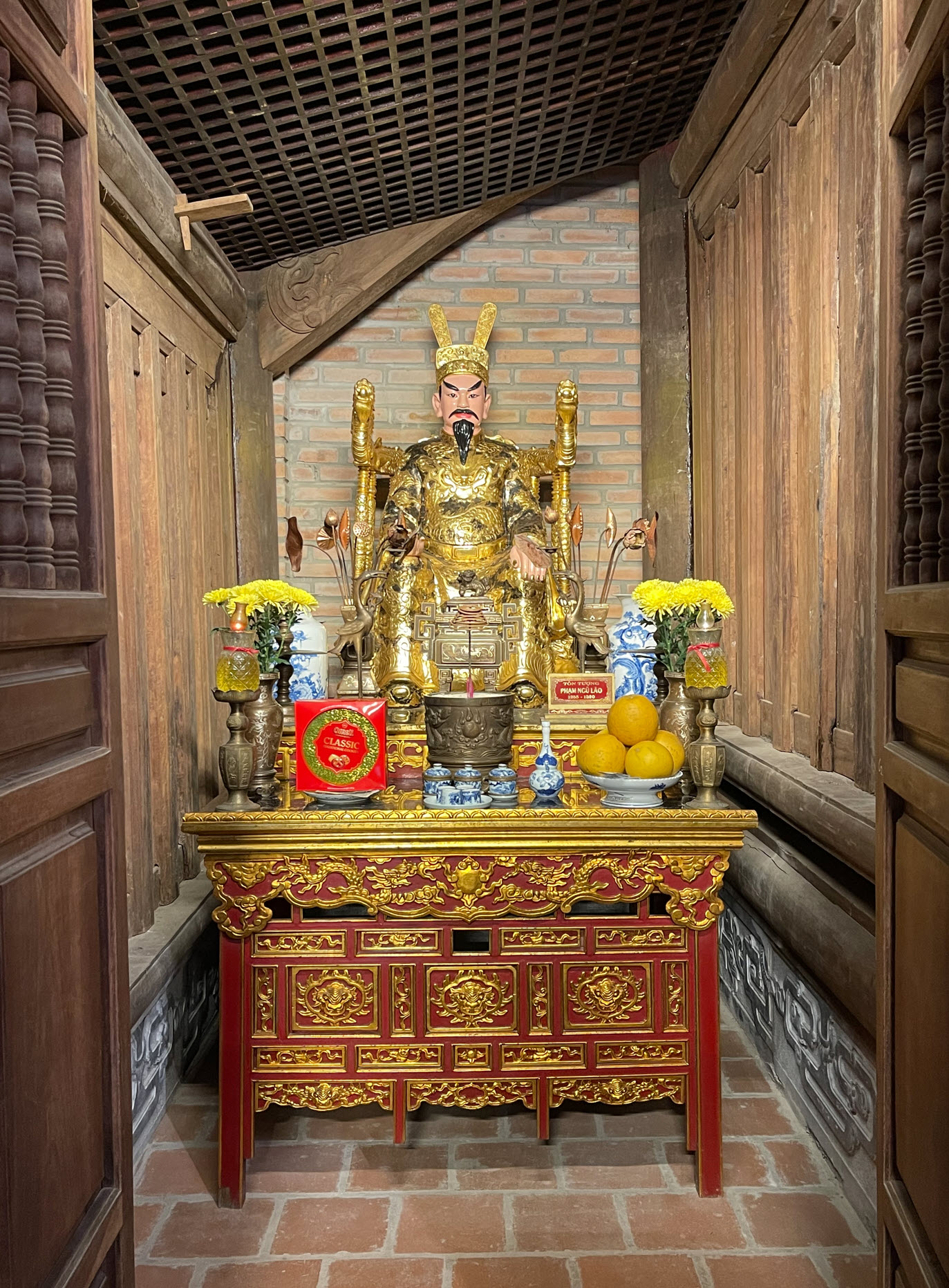
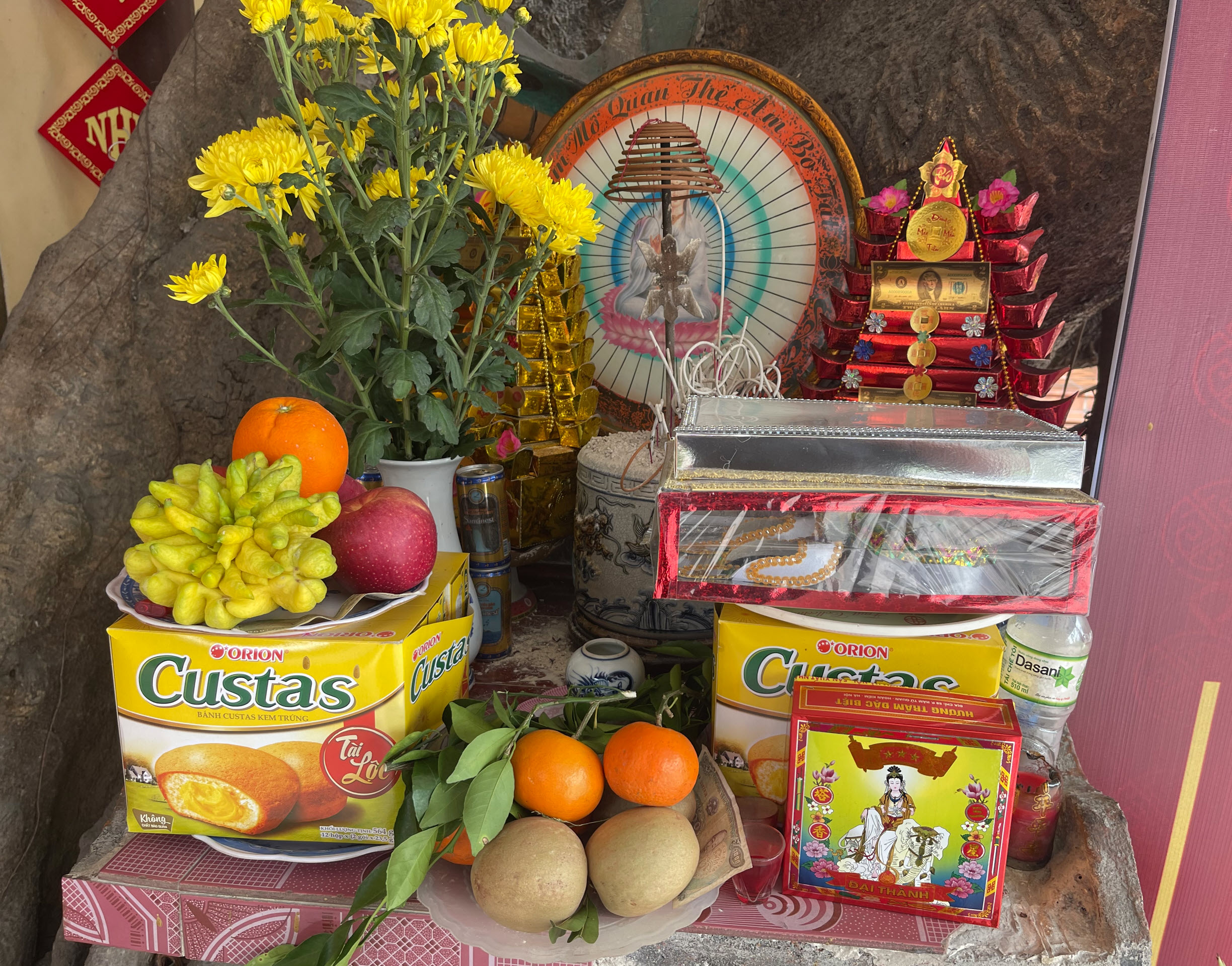
While traveling as a tourist in Vietnam, it is virtually impossible not to visit pagodas and temples dedicated to Buddhism. While we were there, I am sure we saw dozens. I noticed that every statue or altar is filled with offerings. Here are some random photos I made of such offerings:

Notice the grapefruits stacked in the front. There are also some banknotes visible. On the left, in the red box, there is some processed food. I found this to be a repeating theme: Grapefruit, other citrus fruit, money, and processed food in cardboard boxes, often stacked up in little pyramids.

The grapefruits were so prevalent, almost every altar or shrine had many of them. Researching  this, I learned that grapefruits are not traditionally offered to Buddha statues in Buddhist practices, but Buddhist offerings often include food and fruit to symbolize respect and reverence, as well as the desire to achieve the nectar of Dharma. The specific fruit offered can vary depending on the local culture and tradition. Therefore, it must have been grapefruit season in Vietnam in February. 

I am also assuming that they are very durable. Some of those grapefruits looked dusty and I had the feeling that they’d been there a long time.

After the first few days of visiting Buddha pagodas, I started joking that my eyes were full of grapefruit and I didn’t need any more, meaning that I was done visiting Buddhas. But you can’t get away from them.

See the yellow boxes on both sides on top of the vases? That’s some processed food bought at the grocery store and placed there.

I must admit that first, I am not a Buddhist, and second, that I am not religious, so I know know much about Buddhism. I learned that offerings placed in front of Buddha statues represent various aspects of reverence, gratitude, and spiritual practice. They are not intended for the Buddha himself, but rather for the practitioner’s own benefit, demonstrating selfless dedication and fostering positive qualities. I also found out that the goods were periodically removed and consumed by the monks, provided there are monks at the location. 

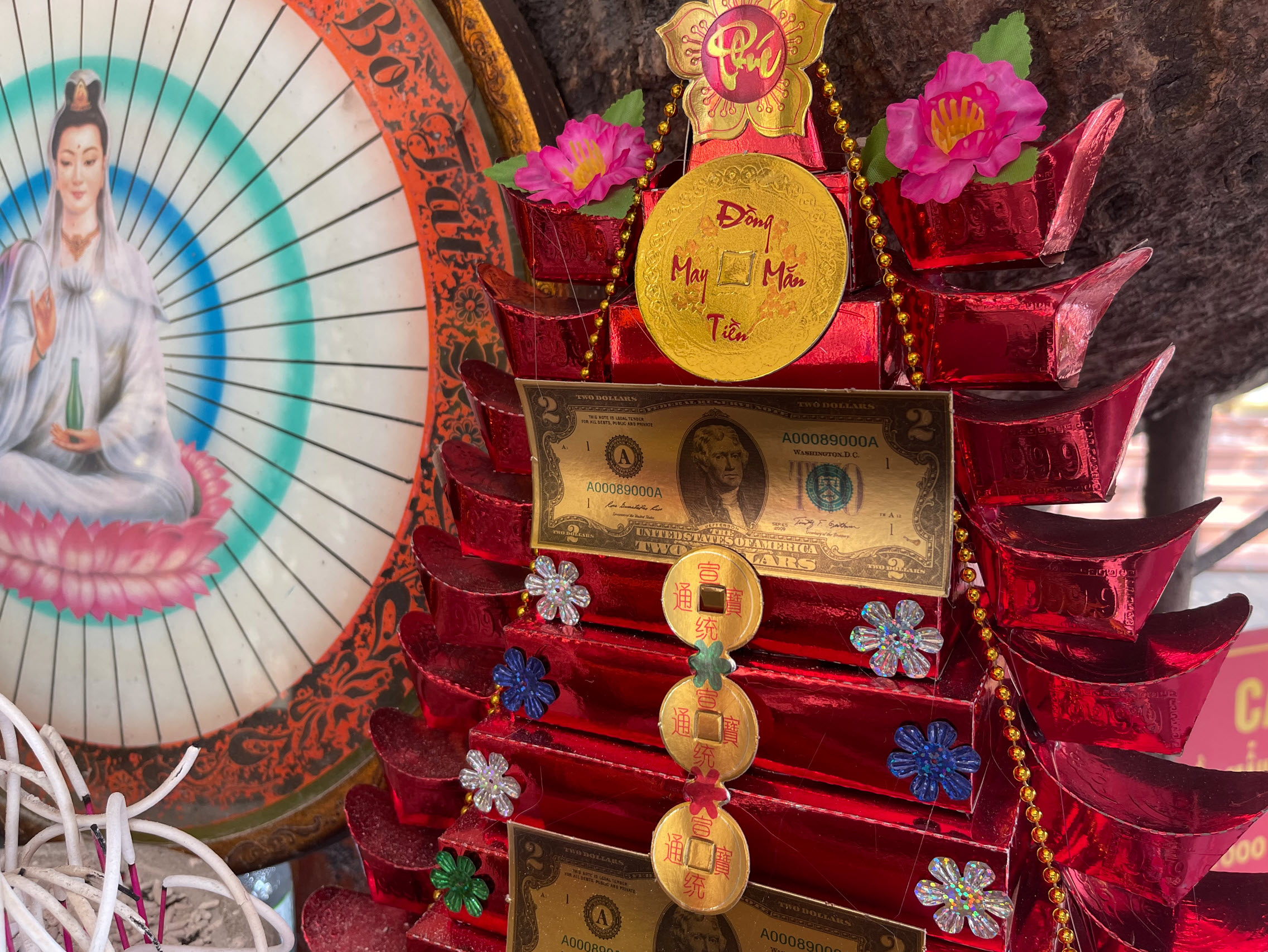
Here is a varied offering altar. You have food in cartons, some shrink-wrapped stuff, fruit other than grapefruit, thank you very much, and banknotes. Check out a close-up of the banknote on the right upper side:

It’s a U.S. two-dollar bill! I saw a surprisingly large number of two-dollar bills on altars, in Vietnam, no less. I found that strange!

When you enter a pagoda, usually you have to follow a bunch of rules:

  • No shoes – you take your shoes off outside before you step over the raised threshold into the pagoda. No wheelchair access here.
  • No shorts – that is strange in a hot country. You are not supposed to show your knees. So women can’t have shorts or short skirts.
  • No bare shoulders – I can see why that is.
  • No photography – but as you can see from my pictures, I took plenty of them. In the more high-end temples, the famous ones, there are actually monks walking around that “guard” the premises, and things are stricter.

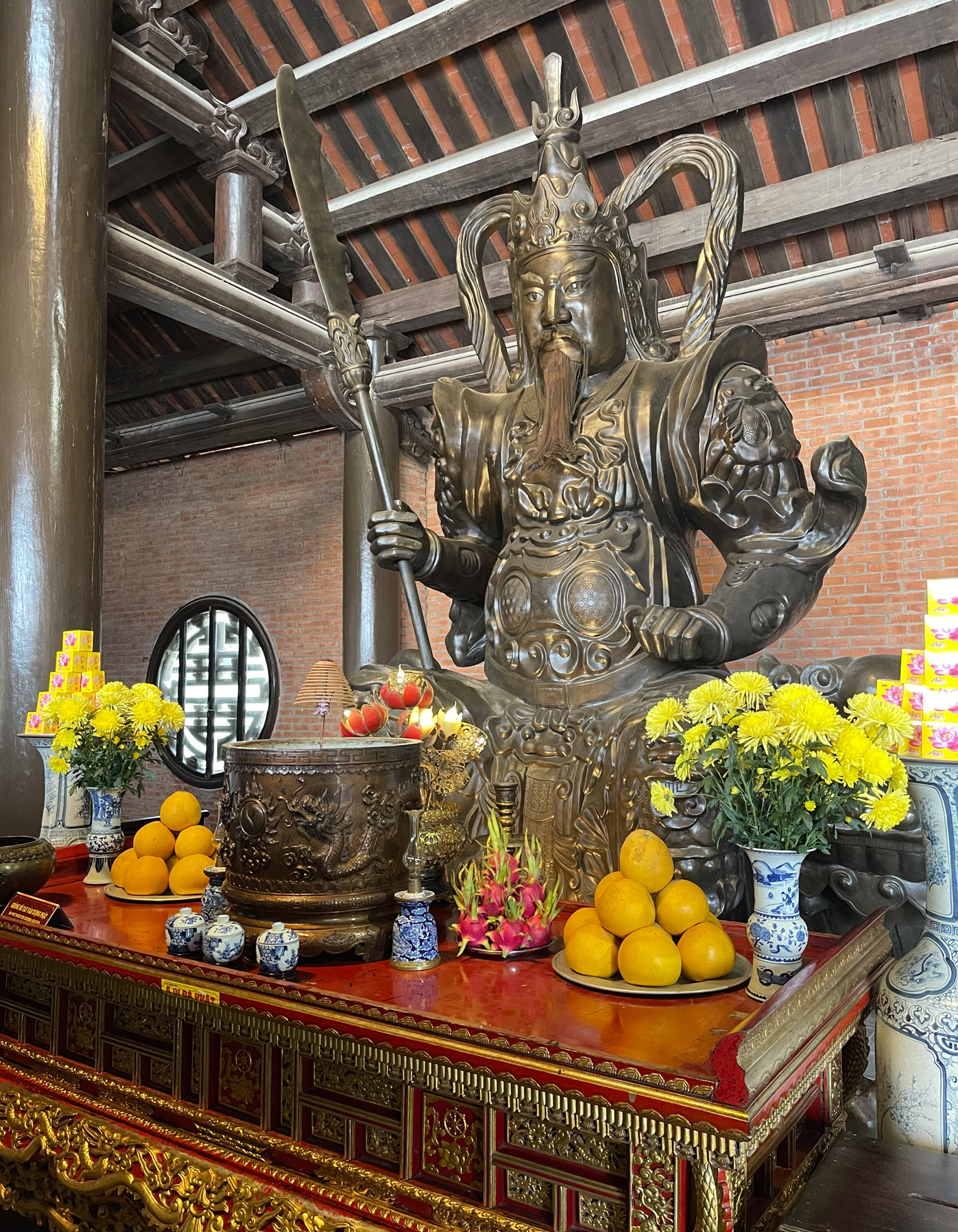
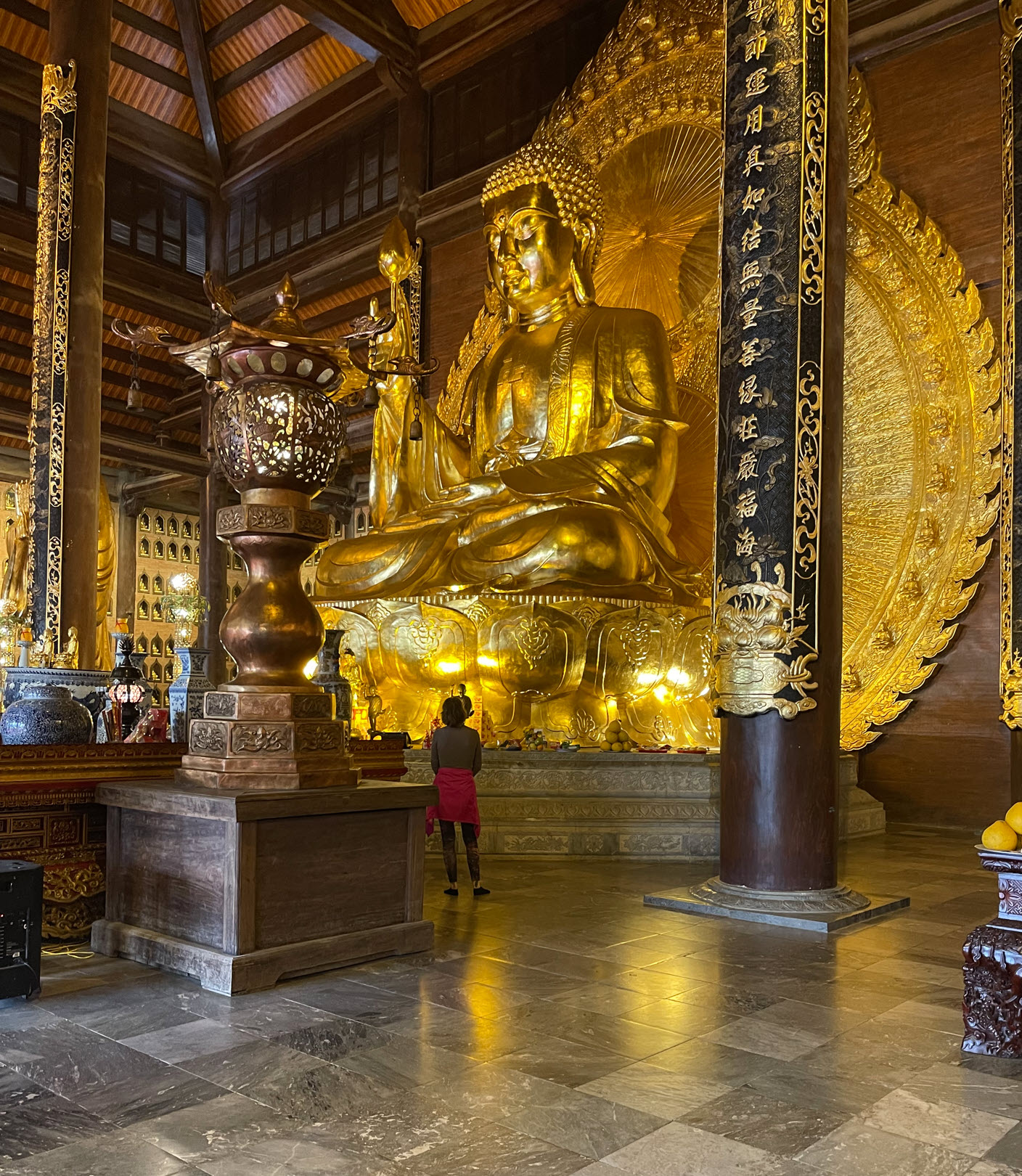
We saw some very massive temples and massive Buddhas:

The photo above is from one of those very famous places – and forgive me but I didn’t record the name or the place, as they all blended together after while. I do remember that photographs were strictly forbidden in  this place. There were many people on their knees praying to the Buddha here outside of the left frame of the picture. I snuck this photo against the rules. I remember this being a very large statue, bronze and gold plated. The statue weighs over 60 tons.

Don’t overlook the grapefruit pile clipped on the right side of the photo!

The practice of offering in Buddhism is not simply a ritual, but a way of cultivating positive qualities, expressing gratitude, and progressing on the path to enlightenment. 

I must say that besides cheating and taking some pictures, I followed the rules and observed the followers, and I am sure I am a little closer to enlightenment in my own path.

But I’ll never see grapefruit the same way again.


The State or Fate of Tourism in the United States

We have a lot of overseas friends in all five continents.

Here is a message we received today from a friend in Europe that we have traveled with quite a few times before:

As regards to travel to the U.S., this administration makes us feel unwelcome with a hostile undertone. I’ve canceled my upcoming Florida trip. Let me say that I am a big fan of transatlantic cooperation. I love the America I used to know, and I am aware that many/most Americans didn’t vote for this shit show, but until decency, truthfulness, reliability and democracy is restored, I’ll be on the fence watching.

This is not the only person I have received such comments from. We were both in Asia and Europe within the last six weeks, and everyone talks this way. On top of all that, the draconian cuts inflicted on the U.S. Park Service, causing uncertainty and lack of control at America’s National Parks, will result in massive lack of tourism this year. Our National Parks are one of the world’s most attractive sets of destinations, and people save for many years for a trip to Yellowstone, Yosemite or the Grand Canyon. Our National Park System is the best in the world. It brings in $55 billion in revenue a year and costs only $3 billion. The whole thing makes no sense to me. The only person who would order such a thing is someone who manages a casino, basically a money machine, to bankruptcy. Tourists right now don’t even know if they will be able to get into the park when they arrive. It’s just not worth it to a lot of foreigners.

The problem is that stability is not restored by rescinding an Executive Order. Decency is earned over years, or even decades. You don’t get a reputation of decency back just because you had an election. And reliability is destroyed for a generation, at least. The word of the United States mattered. Now, you cannot trust that word. Ask the Afghan interpreters who were abandoned or deported. Ask the foreign students with the wrong skin color who disappeared from their colleges this spring.
The summer tourist season will be adversely affected, and everyone and every company that feeds it will suffer this year.


The Narrow Houses of Vietnam

The street picture is very different in Vietnam from what we are used to here in the United States.

Real estate taxes are levied on lot size, which means that narrow and tall houses on small lots are prevalent, both in the cities as well as in the villages. It makes for some strange views.

I took the photo above from a moving bus as we went through a village in the country. This is a very typical view on the main street of any village in Vietnam. People work where they live. For instance, the peach-colored house second from the left has four stories. The bottom is usually a garage-type floor with a rollup door,  where the family conducts its business, whatever that might be. It could be a shop, a restaurant, a tire store, a butcher shop. Much of the family living also takes place there, and on the sidewalk in front of the house. Often you can them burning their trash in a barrel on the sidewalk in front of the shop. There are stairs in the back of the house that lead up to the upper floors, each of which consists basically of one room. You often see balconies, which just extend the living area.

Here is another such view. You can again see the narrow houses, with bare, unpainted side walls, since the neighbor’s house, should he build upward, would cover that wall. There are never any windows on the sides.

Here is another shot of the same row of homes.

Way out in the country, these narrow houses take on an almost grotesque view. I saw many four-story buildings with blank walls on both sides, one room wide, surrounded by nothing but empty lots. But if you only own a lot the width of one garage, that’s all you can build.

Here is a view in the city of Hanoi. Binh Chung is a restaurant where we ate. We walked into the entry hall, went to the back where the stairs were, and walked up a flight of stairs. We ate in the room just above the sign.

Another street view in Hanoi. A narrow hotel, the De La Sole Hotel. It can’t have too many rooms in that narrow tower.

I will always remember Vietnam as the country of the narrow, tall houses.


Polydactyly

Polydactyly, meaning “many fingers or toes,” is a congenital condition where individuals are born with one or more extra digits on their hands or feet. It can occur on its own or be associated with other genetic syndromes. I had never met anyone like this until now.
When we were in Vietnam, we took a little bamboo boat ride. These are traditional round boats that you can use to paddle up and down a river. One of the rowers was doing some stunts in the middle of the river, and when my wife climbed out of his boat she looked down and noticed “a lot of toes.” She made a comment, and we subsequently discovered that the man had six toes on each foot and six fingers on each hand.

We hadn’t really noticed it, until my wife pointed it out. It’s not like he made an effort to show that off, but when we realized it he was more than happy to pose. I am sure he knew an extra tip was involved.

When I googled the condition, I learned that there are many different  types. The one our friend above exhibits is quite rare, where all digits are fully developed and functional. Worldwide, polydactyly occurs in about 1 in 500 to 1000 births. That’s a lot more than I would have thought. It’s obviously not something we look for when we meet somebody, and it’s not something people would necessarily point out about themselves.

We enjoyed meeting our friend above and got his permission to take a picture.

Trash in Vietnam

Vietnam is definitely a developing nation. There are some beautiful and scenic places, some ancient historical treasures, and the people are friendly and humble.

But the country has a problem with trash. Maybe it’s because there is no infrastructure to dispose of it, or it’s just habit, but there is trash everywhere.

I noticed it the minute we stepped out of the airport terminal in the evening in Hanoi. There was smoke in the air. I later figured out that it’s because people are burning trash, in their yards, in the fields, on the sidewalks in front of their houses and shops in barrels, on the pavement, sometimes on the grass in the parks.

There are many beautiful places, homes, shops, and right next door on an empty lot there are weeds, bushes, and large piles of open trash. For every nice place, there are five trashy places.

I took the photo below when I walked along the beach – to the right – in the evening. The sidewalk was full of trash. The fishing gear to the right belongs to some fisherman who will come back in the morning and use it, but the sidewalk is just covered with trash.

We took a boat ride down a river in a city. As we got off the boat (in the back), we walked by piles of trash accumulated over a long period along the area where the boats dock to let off the tourists. This does not seem to bother anybody. It’s obviously been there a long time.

At one time I was sitting in our bus while we were waiting at a red light in a town in the country. All of a sudden an old man walked out into the street and dumped a plastic container full of trash into the middle of the road and just casually walked back into his shop. You can see him here walking back. I was stunned. It took me a few seconds to grab my phone to take this picture. I didn’t catch him in the act. As you can see, it not just perishable garbage, like banana  peels and other organic stuff, it’s also paper like a cigarette box on the left.

He obviously did it because he knew that the constant traffic would basically grind the trash to pieces in a short time. As you can see, the first car drove right over it.

Here is the trash after a few cars did their work. The man is back in his shop, business as usual.

I was dumbfounded, but then again, the other option he probably has is to collect it all in a barrel and set that on fire once a week.

There was garbage everywhere, and there was always smoke from the incessant burning of garbage, both in the cities and in the countryside.

It’s easy for me to to indignant and judgmental about this, but I ask myself: If I lived there, and there was nobody that came to to my house with a truck once a week to pick up my trash, like it’s done here, what would I do?