
Movie Review: You Can See Everything (2026)

Before I review this movie, I need to give a synopsis of who Elizabeth Holmes is – in case you didn’t know.

She is the founder of Theranos, a Silicon Valley medical technology company that promised to revolutionize blood testing. Her story is one of the most notorious corporate fraud cases in American business history. It is a story of ambition, technological deception, enormous wealth, powerful investors, and ultimately criminal conviction. Born in 1984 in Washington, D.C., she attended Stanford University, where she studied chemical engineering.  Chemical engineering is one of the most difficult majors I can think of in college. She is obviously smart. However, in 2003 at just 19 years old, she dropped out of Stanford and founded Theranos. The idea: instead of drawing several tubes of blood from a patient’s arm, Theranos would perform hundreds of medical tests using just a few drops of blood obtained from a finger prick.

The company reached a valuation of approximately $9 billion, and her estimated personal net worth reached $4.5 billion on paper. She became an instant celebrity and was known as one of the world’s youngest self-made female billionaires. She attracted highly sophisticated investors.

There was only one problem: the technology didn’t work. Being an entrepreneur myself, I know what it can be like. Some ideas just don’t work out. You believe in them, you drive hard, but no matter how far you push, it’s not happening. This is obviously more challenging when physical devices and chemical tests are involved. The machines could perform only a limited number of tests reliably. For many others, Theranos secretly used conventional laboratory equipment manufactured by other companies. Despite these problems, Holmes continued promoting the technology to investors, business partners, and the public.

In October 2015, investigative journalist John Carreyrou of The Wall Street Journal published an investigation in which he revealed that Theranos was not actually using its own technology for most of its blood tests. The company finally shut down in 2018. After charges and trials, she began serving an 11-year prison sentence in May 2023.

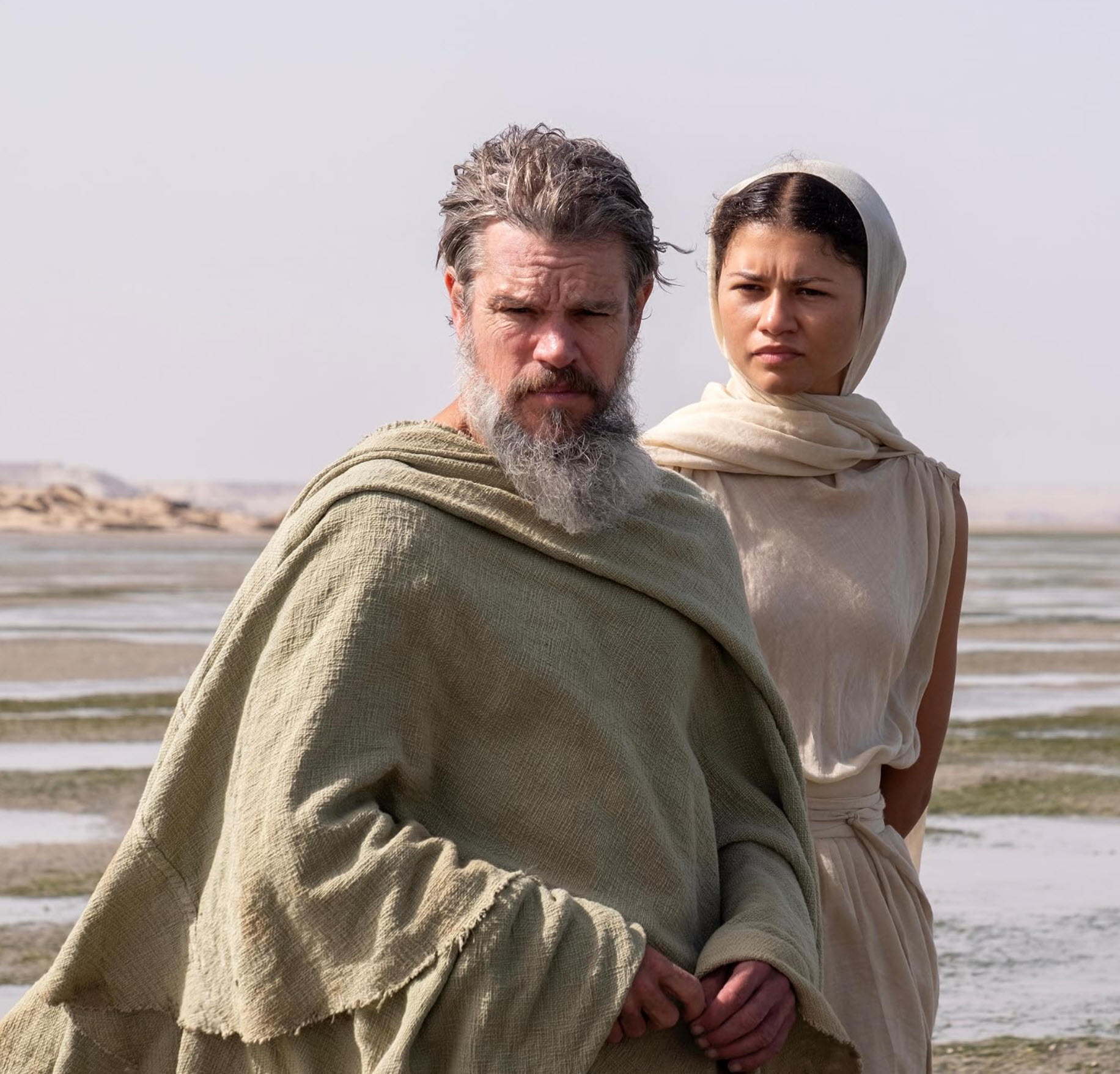
The movie You Can See Everything is a movie dramatization of the making of a documentary about the period of Holmes’ life just before she reported to prison. It is critically acclaimed and the director Nathan Fielder is generally praised for “…creating a groundbreaking, thought-provoking documentary that challenges assumptions about truth and performance through its complex, layered narrative…”

It runs for 2 hours and 54 minutes, and I was bored through most of it. There are many pointless scenes where we see closeups of faces staring for a long time without any action. The viewer is left to decide whether Holmes was guilty of fraud, because it portrays her as fully believing in what she is doing is right. If I truly believe it, it’s not a lie, right? If I repeat a lie often enough, people start taking it as truth.

The way I see it is that there was a jury that spent much time and deliberation and eventually decided she was guilty and she was going to prison. Having a movie try to make me doubt that reality didn’t make much of an impression on me.

It did prompt me to go and get the book Bad Blood by John Carreyrou, the journalist who first exposed the company and started its eventual downfall. I will read that next and review it separately.

Unless you are a movie critic and want to witness this supposed masterpiece of innovative filmmaking,  I do not recommend you see You Can See Everything? 

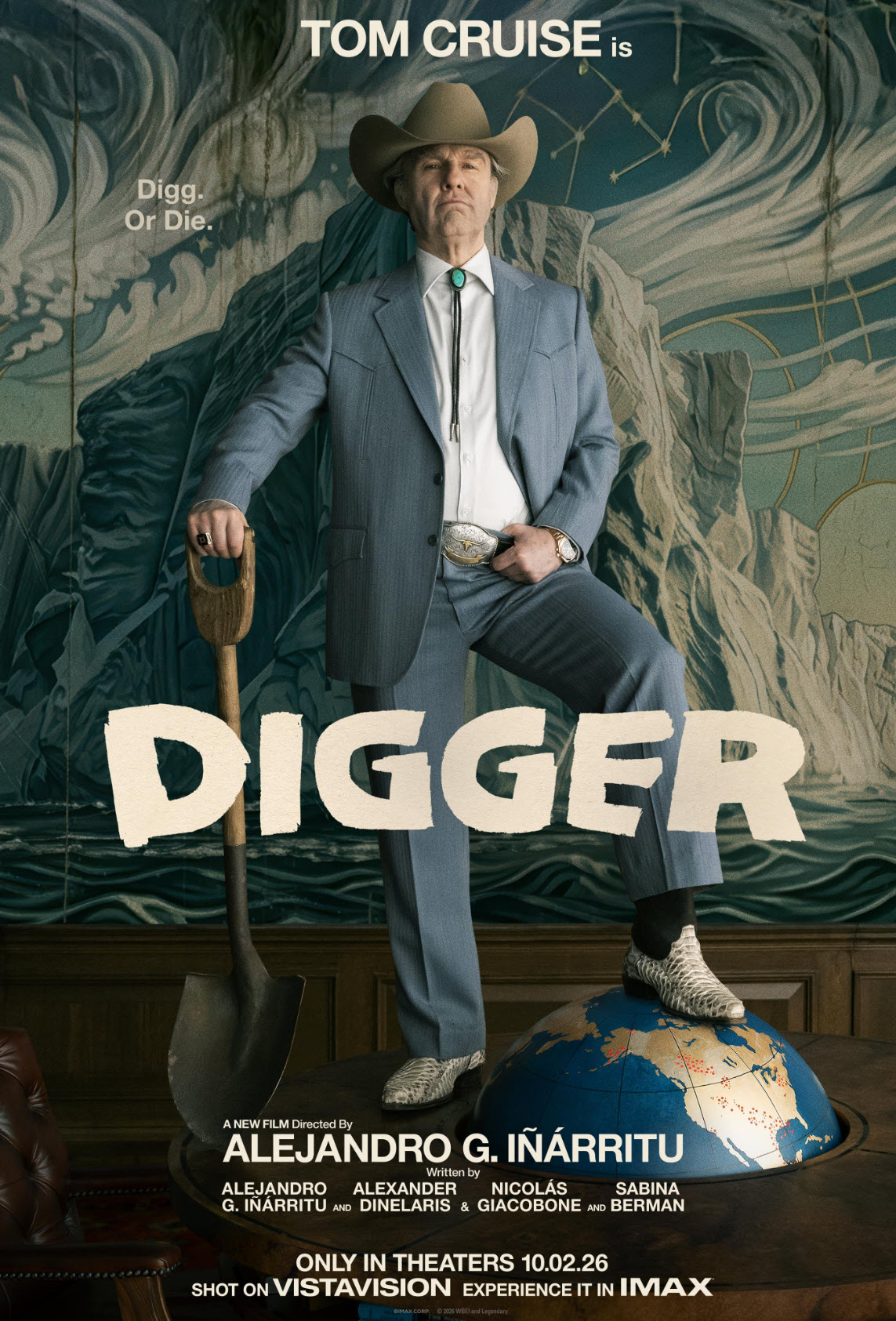
Movie Review: Digger (2026)

The most powerful man in the world is not the president of the United States, it’s his handler, the richest man in the world. It is Digger, a Texas oil man who is totally obsessed with his power, his mission, his money and nothing can stop him, not even the impending doom of millions of people.

Digger is played by Tom Cruise, and if I hadn’t known that, I would never have recognized him, fat suit, prosthetics, makeup and all. Digger does not even talk like Tom Cruise. It’s an absolutely amazing acting performance which will no doubt win awards. John Goodman plays the President Compson, and I didn’t quite recognize him either until about halfway through the movie. I knew I knew the actor, but could not place him. Goodman has lost a lot of weight, and that probably threw me off. Goodman, too, delivered an amazing acting performance.

Digger is way over the top in the story, in the plot, in the message and in the delivery. It’s exhausting to watch, particularly in today’s political climate, when there is actually a powerbroker out there in the real world just as crazy as Digger, and a president as incompetent and corrupt as Compson. We’re facing serious crises with our environment, our climate, our runaway consumption, our debt, our total lack of morality – and watching Digger just brings it all home. Yep, that’s what’s going on right now. Digger is right on! Fuck them all!

There will be critics who will say the movie is heavy-handed and tilts far, far to the left. There will be supporters who will call it brutal satire and a message completely necessary today to jar us all. Some will find it boring and patronizing. Some will find it though-provoking. Most everyone will find it deeply offensive.

Digger jars you, from the first frame on, until the last one. This is a movie where I ended up sitting through all the credits because I didn’t want to miss something at the very end.

I don’t want to see this movie again, but it will win awards.

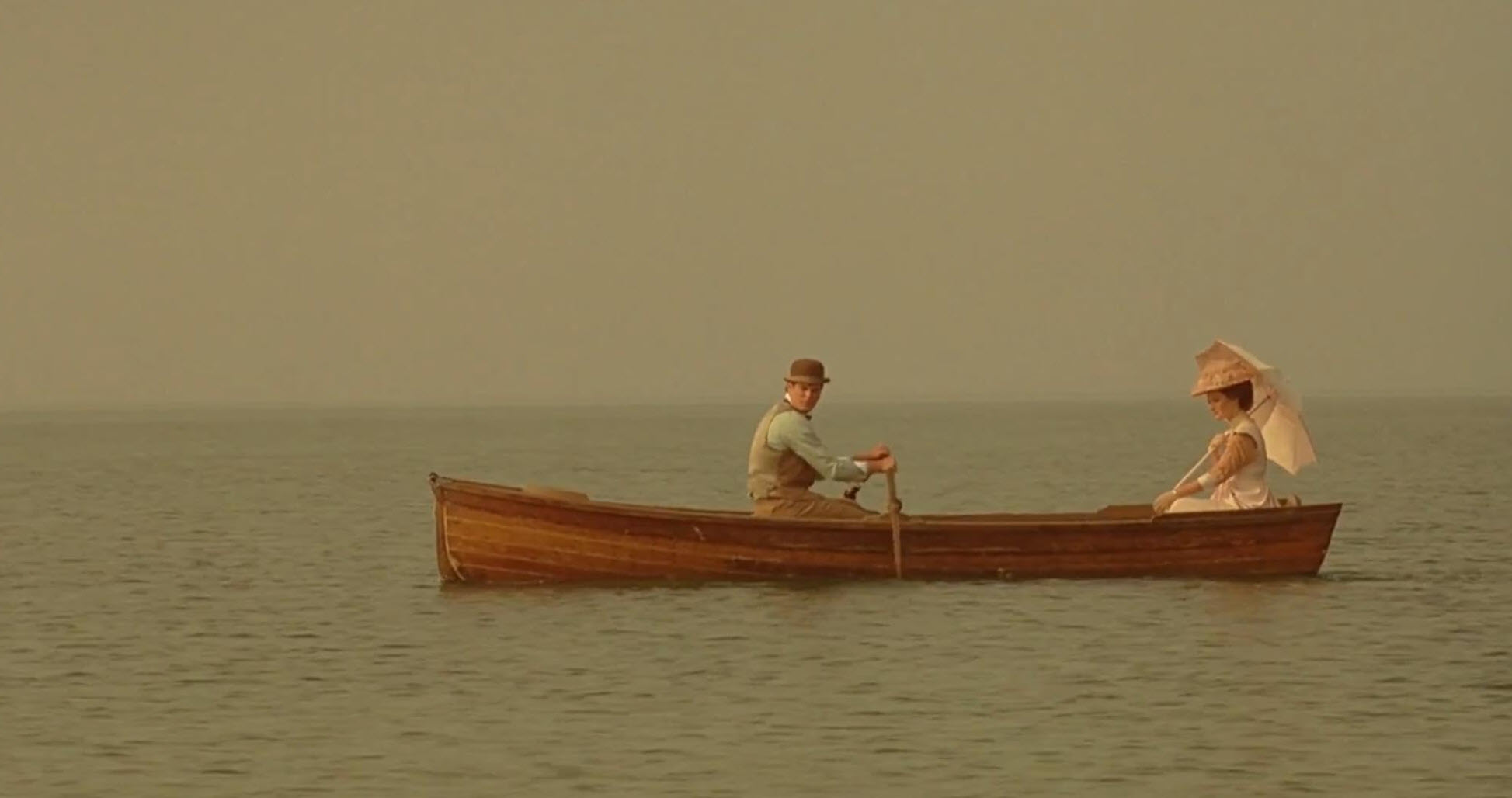
Movie Review: Somewhere in Time (1980)

Somewhere in Time is one of my all-time favorite movies, and it was from the beginning when it first came out in 1980. It’s a time travel movie.

Richard Collier (Christopher Reeve) is a playwright in Chicago in the 1970ies. He gets a mystery visit from an old woman who puts a watch into his hand and says “Come back to me!” On chance he stays at the Grand Hotel on Mackinac Island in Michigan, where he notices a historic display featuring the actress Elise McKenna (Jane Seymour). He feels drawn to her. As he researches her life and the history of the hotel, I figures out that he himself was there in 1912. He researches time travel and eventually uses self-hypnosis to travel back in time to the hotel where he meets the actress. They fall in love almost instantly and both their lives are changed forever.

Somewhere in Time is a love story, a bit corny at time, but hey, it was made in 1980. Yes, the romance is overly sentimental and unrealistic. Yes, the time travel mechanics are questionable. Yes, there are flaws, but the musical score by John Barry is otherworldly, the story is deeply romantic, and the overall movie is an emotional experience that I can watch over and over again.

When I first watched it in 1980 I bought the record featuring Rachmaninoff — Rhapsody on a Theme of Paganini, Variation 18, which is the central melody of the film and one of the most beautiful and recognizable melodies in classical music.

Take a listen here if you like:


And now you need to watch Somewhere in Time and then I’ll ask you:

Where did the watch come from?

Movie Review: Lonesome Dove (1989)

After reading and reviewing the novel Lonesome Dove by Larry McMurtry in July 2026, I learned that there was a TV miniseries made after the movie in 1989.

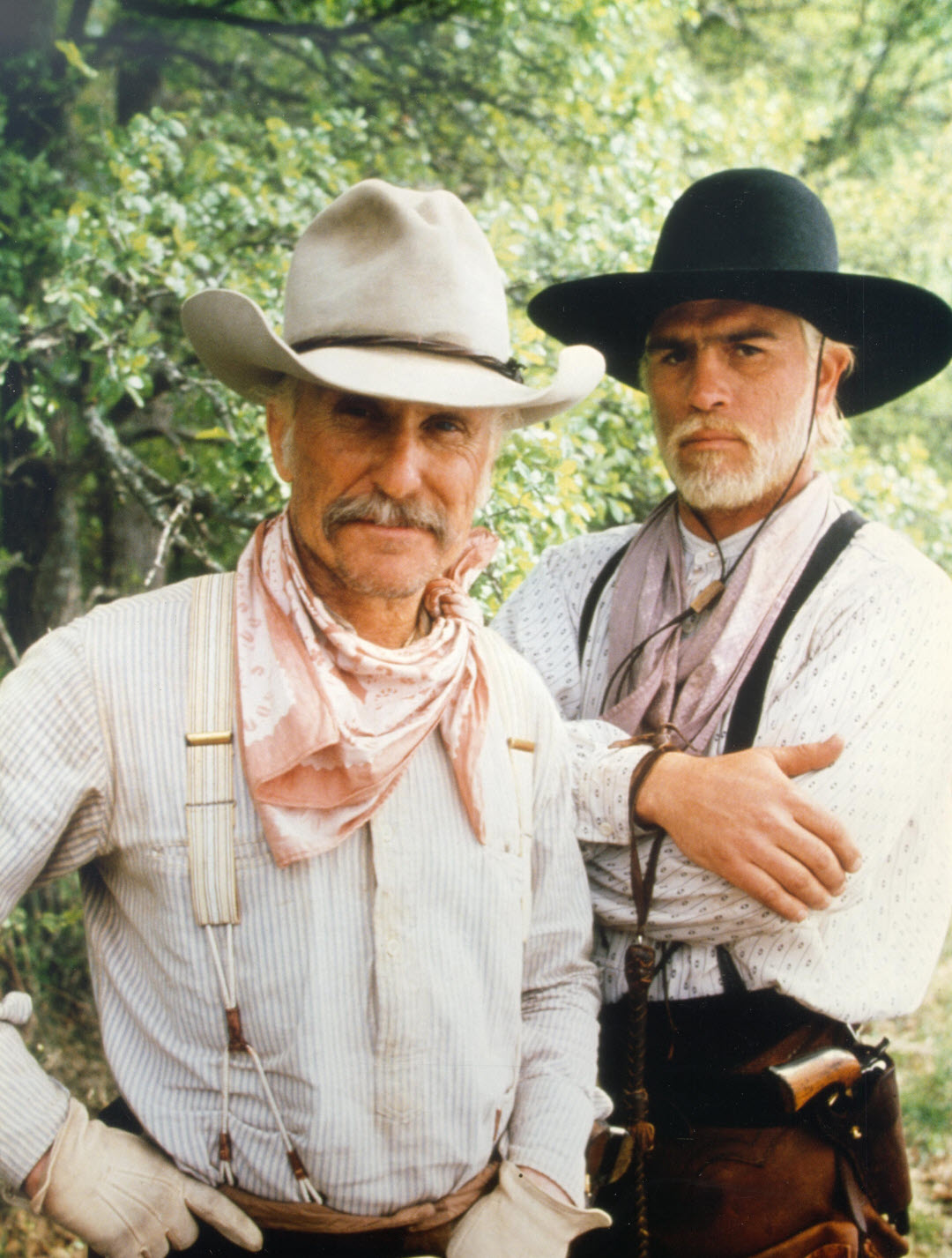
Above are Gus on the left (Robert Duvall) and Call on the right (Tommy Lee Jones). The series is comprised of four movies of 90 minutes each. Other notable actors, who were not as notable yet back in 1989, are Danny Glover as Deets – a perfect casting, and Steve Buscemi as Luke, and Chris Cooper as July Johnson.

The script follows the book very closely, sometimes to minute details. Of course, it leaves out much depth. After all, the first edition of Lonesome Dove was 840 pages. All that detail can’t be crammed into a 360 minute miniseries.

I very much enjoyed the visuals the movies  provided to round out my imagination concerning the characters. When I eventually read Lonesome Dove again, I won’t be able to think of Gus and Call without thinking of Robert Duvall and Tommy Lee Jones.

If you read the book, you will enjoy the miniseries.

Movie Review: The Weight (2026)

Samuel Murphy (Ethan Hawke) was a single father of a very young girl in 1933, four years into the Great Depression. He had no job, he lost his apartment, and in the desperate struggle to find a roof over their heads he was attacked by thugs and eventually arrested and hauled off to a hard labor camp in the back county of Oregon. Knowing that his daughter, in the custody of the state, would soon be adopted away from him, he was desperate.

When widespread bank failures during the depression made people lose trust in paper money and hoard gold, President Roosevelt signed Executive Order 6102 on April 5, 1933. It required U.S. citizens to surrender their gold coins, bullion, and certificates to the Federal Reserve for $20.67 per ounce, in an effort to control the economy by removing gold out of private hands. After the seizure, the price of hold was raised to $35.00 per ounce.

There were many gold mines in Oregon, and people tried to steal or smuggle gold away before the government could take it from them.

Murphy and several of his companion inmates were coerced into smuggling a fortune in gold from one mine across impenetrable wilderness in rural Oregon. With fortunes of gold in their backpacks, and lawlessness all around them, things quickly got out of hand.

The Weight has a powerful soundtrack. Sometimes it was not music, but just loud noise to create tension and pressure. The music and noise were so loud, I wished I had brought my earplugs (which I use at every concert). Loud it was, but it was also immersive and intensive and it helped the movie. I walked out in a daze, glad I didn’t have to live through the Great Depression, aware of the fragility of our economic system, empathetic to the love of a father for his daughter and the length to which he will go to save her. The movie left me stunned for a while, not sure what to think of it.

My wife gave it two stars, I am upping it a bit.


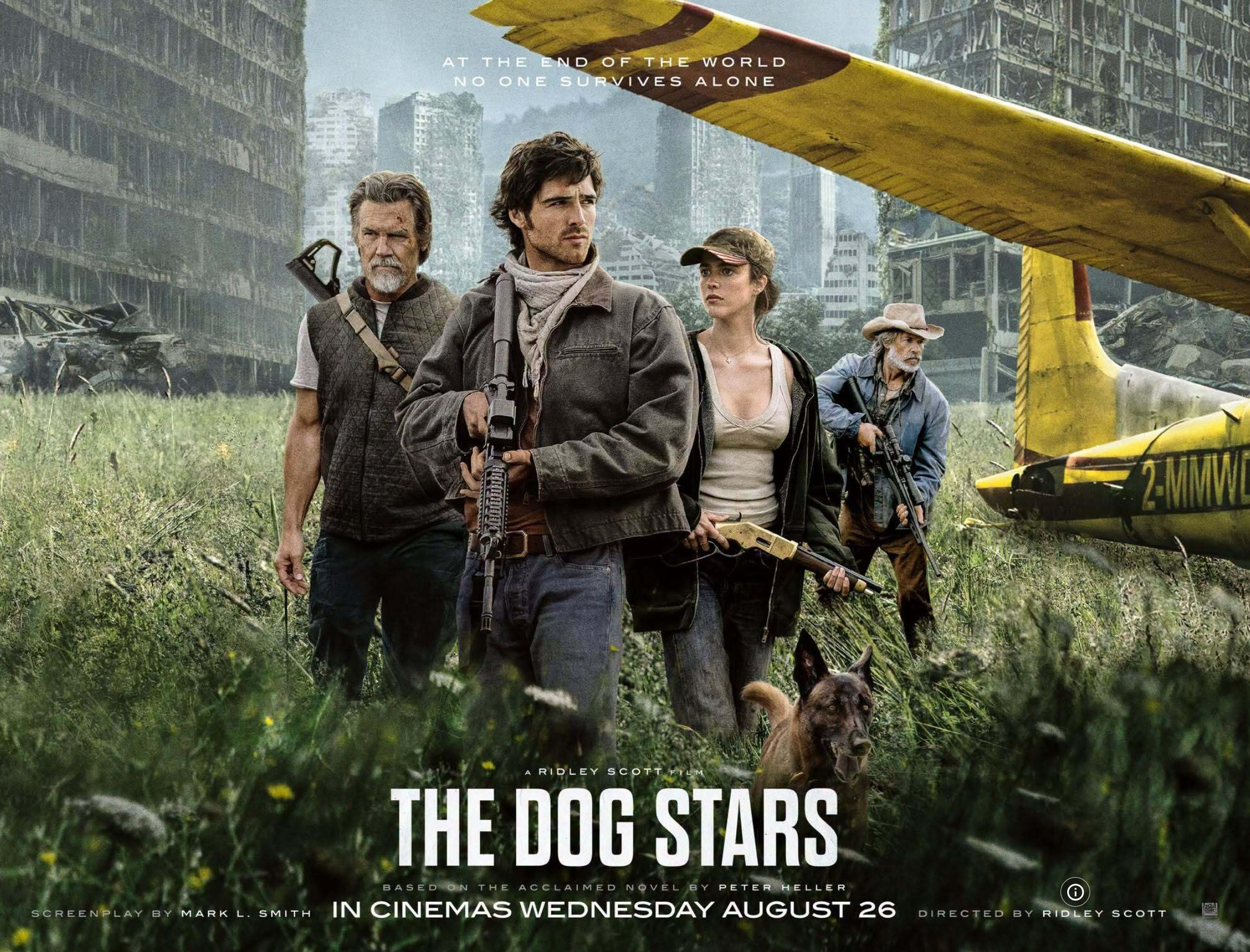
Movie Review: The Dog Stars (2026)

I recently read Lonesome Dove by Larry McMurtry and then watched the four-episode 1989 miniseries based on the book. That miniseries followed the book closely.  Of course, the book has 864 pages with amazing detail, and the combined series was “only” six hours long, so the movies had to leave some plot details out and simplify the story. However, what was there followed the plot of the book to a level of accuracy and authenticity I have never seen before.

I watched The Dog Stars in the theater as soon as it came out, because I had just read the book in June 2026. Here is my review: The Dog Stars. It was a good book, and if you are interested in the post-apocalyptic genre, you should definitely read it.

It’s approximately 2035. A pandemic virus has wiped out humanity approximately 15 years earlier (think COVID in 2020). What remains are small pockets of survivors who all fight for the same limited resources left from before the world ended. Some gangs have dozens of people, some only a few. Hig and Bangley are holded up in a small airport in Erie, Colorado. Bangley is an ex-special forces operative and has learned to shoot first and ask questions later. He is the “armed forces” of the team. Hig is a pilot and mechanic. His best friend left is his dog Jasper. Through his skills the two have been able maintain some solar power, keep simple engines running, and most importantly, keep his Cessna flying. This helps them with reconnaissance. Regular flights around their stronghold alerts them to marauders before they can creep up on them. Hig also flies into Denver to find medical supplies, groceries like soft drinks that survived looting, and general gear they need.

But Hig has a vision of more. When he hears a faint transmission on the radio from Grand Junction, a city far west in the Rockies, he packs up the plane and leaves to explore. Just as Bangley had warned him, things turn bad very quickly.

The movie changes the plot line significantly from the book with respect to the Grand Junction excursion, and the result is perhaps better movie action, but I found it just inappropriate and distracting. I think this would have been a better movie had it followed the book more closely, at least in the second half of the story.

The epic flying scenes in the mountains were spectacular. Most of all, the depiction of our world if all the people just suddenly disappeared was very worthwhile watching. Denver skyscrapers crumbling, overgrown with vines and trees, the roads taken over by weeds with just sections of asphalt remaining, wrecks of cars and trucks everywhere, and residential neighborhoods dilapidated and overgrown.

Most people won’t read the book, so they will watch The Dog Stars movie as a thoughtful reminder of what might happen if a pandemic actually did wipe out humanity. From that point of view, this movie is a valuable reminder that maybe we should not buy into the idea that we can let a pandemic burn itself out without vaccination.

Good luck with that!

Movie Review: The Rivals of Amziah King (2026)

Some of the best movies I have seen were as a result of my wife taking me on a “blind movie date.” I went to see The Rivals of Amziah King yesterday without knowing anything about the movie or even its title. She walked me into the theater with my eyes closed. And I am glad, because if I had read the description, I would likely have passed. But then, here I am giving it 4 out of 4 stars. It was one of the best movie experiences I have had in a long time.

My choice of words is purposeful. I didn’t call it “one of the best movies,” I called it “one of the best movie experiences”  because this movie is not something you watch, but you feel!

Before I go and explain my thinking (or feeling for that matter), let me talk about  the substance of the movie, as always, without any spoilers. Amziah King (Matthew McConaughey) is a bee farmer and bee expert somewhere in Oklahoma. He cultivates hives and sells honey. There are bad actors who steal and resell bees and honey, making life difficult for Amziah and all other honest people. It’s a crime thriller. But Amziah is not just a bee man, he is a former foster parent who always wants to the the right and good thing. And he is a bluegrass musician. That’s all I will tell you about the content of the movie.

The music is absolutely captivating, and stunning cinematography and storytelling accompanies the soundtrack, or so it feels. The images don’t always just flow like in a movie, sometimes they stay still, sometimes time rolls in parallel between two scenes playing at the same time behind the same song. It’s a comedy, with sometimes shocking surprises. It’s a masterpiece of a painting of a nostalgic yet rough and tumble southern life. Sometimes it feels like a long music video, like you are at a concert and you see images of the musicians doing stuff, like in the old days of MTV, although you didn’t usually see the musicians get overed by bees.

I think there’ll be some Oscars coming from this. Matthew McConaughey delivers a phenomenal performance. Watching The Rivals of Amziah King is a truly amazing cinematic experience.

Movie Review: Odyssey (2026)

Odyssey is almost three hours long and I was riveted from start to finish. It was a little bit like watching Titanic, where we all know the ending, but we still sit at the edge of our seats, hands balled to fists, feet fidgeting.

But then, it was the Odyssey, after all, based on one of the oldest works of literature in human culture. Attributed to Homer and first written and composed around the 8th or 7th century BC, the Odyssey is actually a series of 24 books of poetry. Yes, ancient Greek poetry in the dactylic hexameter, which is a form of meter commonly used in both ancient Greek and Latin poetry. Unfortunately, I have never studied Greek and therefore can’t appreciate Greek poetry, but I have read Latin poetry, particularly Ovid, and it’s also in the same meter, the dactylic hexameter. Trust me, reading Latin poems in the original is one of the most beautiful experiences in literature, and one of the most difficult ones – after all, who can read Latin?

Back then, most people were illiterate, and in order to tell a story, and repeat a story, it was best to have it be a poem, so it flowed smoothly, somewhat like modern songs, where we remember the lyrics because they are associated with music and a rhythm.

Per Wikipedia, here is a picture of the oldest-known manuscript fragment of the Odyssey, produced in Ptolemaic Egypt during the 3rd century BC and unearthed in Medinet Ghoram:

By Zunkir – Own work, CC BY-SA 4.0

https://commons.wikimedia.org/w/index.php?curid=152028761

Christopher Nolan started with the poems of Homer in the Odyssey, left out much detail but focused on the most memorable and iconic imagery and drama that we all know even today, almost 3,000 years after it was first written.

It’s amazing how much information from the Odyssey made it into our current culture. We all know the names of Odysseus, Achilles, Athena and Penelope. We know locations like Sparta and Ithaca, which is even today a modern city in upstate New York. Odysseus was the king of Ithaca, a state in ancient Greece. There is Calypso, the nymph who rescues Odysseus from the sea and nurses him to health but then holds him prisoner as her lover for many years. We know of the gods Zeus, Poseidon and Helios, all of which play central roles in this story. We know the Scylla, a multi-headed monster who eats sailors that pass by its den. We know of Sirens, mythical half-bird, half-woman creatures whose song is so seductive, sailors jump into the ocean and to their deaths because they have to get nearer to the Sirens. The English word “siren” came from that. We know of the cyclops Polyphemus, a giant one-eyed goat-herder who will eat humans like sushi. But he is also the son of the god Poseidon and he directs his father to take revenge. There is the goddess Circe who turns Odysseus’ men into pigs. In the poems, Circe and Odysseus become lovers and he stays with her for a year. And of course, the most iconic reference of the Odyssey is the Trojan Horse, which takes a leading role in this drama. Everyone knows what a Trojan Horse is.

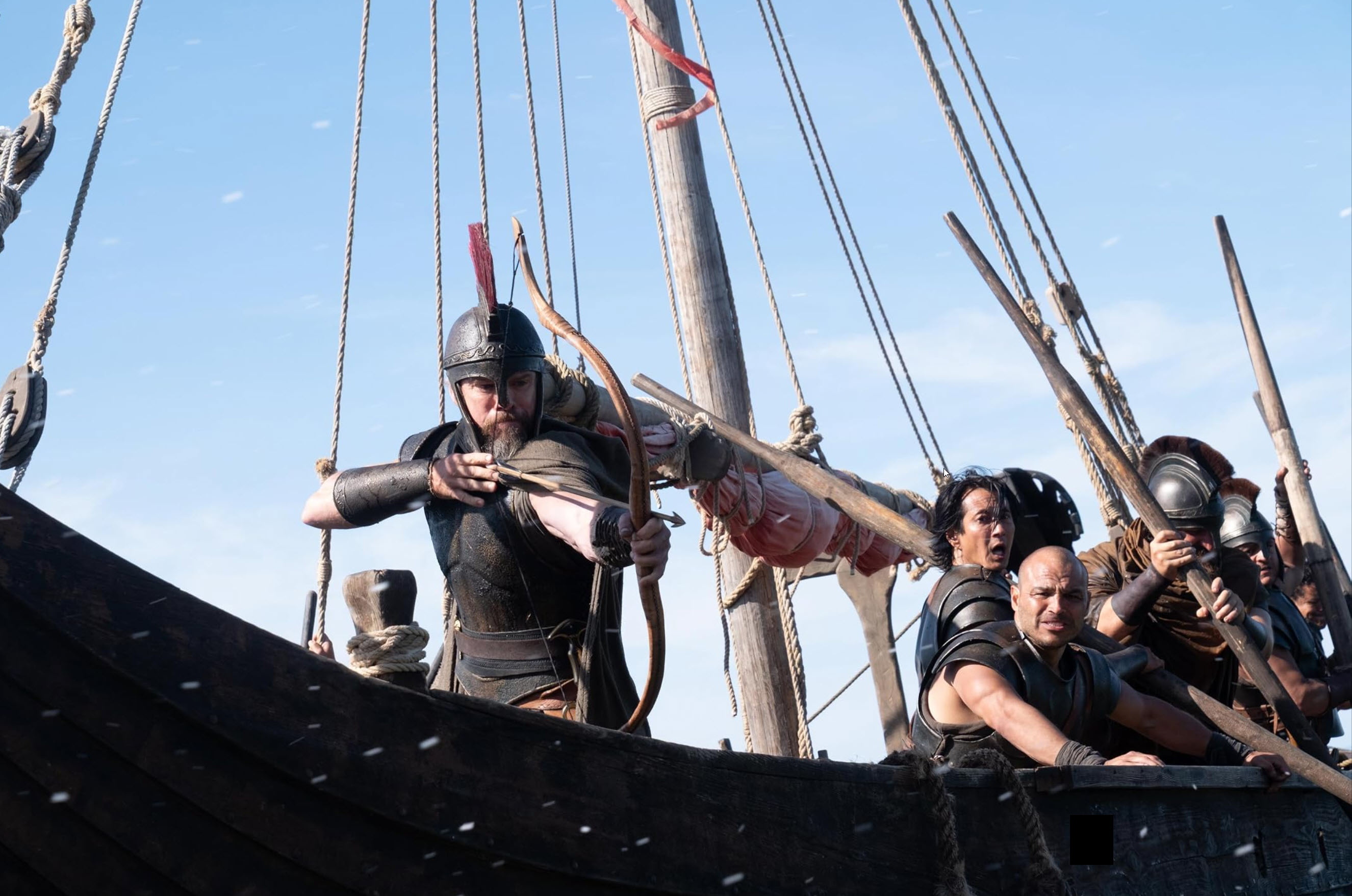
All of this makes it into the movie Odyssey. Matt Damon plays a very credible Odysseus. The fighting scenes are numerous and intense, almost like our modern superhero movies. But that, too, is consistent with battle scenes in other epic movies that we have all seen, with themes like Napoleon, World War II, the Civil War or the Vietnam War. Be ready for lots of blood and gore, not always visible, but in your imagination.

In summary, Christopher Nolan’s Odyssey is a monumental cinematic achievement. It is breathtaking with outsized cinematography and an intense soundtrack. I think there was some Oscar material in Odyssey. I am glad I watched it and I recommend you do too, and perhaps then study up on the classic origins of it all. This Wikipedia link will help.

Movie Review: Disclosure Day (2026)

In this Steven Spielberg film, a faction of government operatives breaks away and “goes rogue” because they believe that the world and the public has a right to know that there are aliens on earth and that the government has been hiding this fact and hoarding the amazing alien technology for themselves. The movie is a cat and mouse game of bad guys (the government) trying to stop the good guys (the rogue faction) from disclosing the information to the world. This goes on for 2 hours and 25 minutes. And that’s the action.

The whole thing is a collection of trite clichés associated with aliens. Naked little grey men with big heads, but then there are also naked very tall men with big heads. Crop circles form for no reason in the middle of a wheat field. Alien technology allows humans to teleport to other locations and be in two places at once, forcing their will on other humans. Humans abducted by aliens as children suddenly display supernatural powers, like speaking foreign languages, being able to look into their thoughts and read their pasts. It’s like Spielberg tried to pack every alien cliché into this film, seemingly without plot reason or context.

Yes, the acting was pretty good, but overall this film just ingrained the superstitions about aliens and our U.S. government’s role in hiding them.

Overall, there is nothing here. This is a one-star movie, but I upgraded it to 1.5 stars because it’s Spielberg and the acting is good.


Movie Review: Remarkably Bright Creatures (2026)

I read the book Remarkably Bright Creatures a couple of years ago and here was my review. As it often is with movies based on successful books, the story becomes more shallow and big sections of plot are bypassed. However, the visuals sometimes enhance the experience. So it is with this movie.

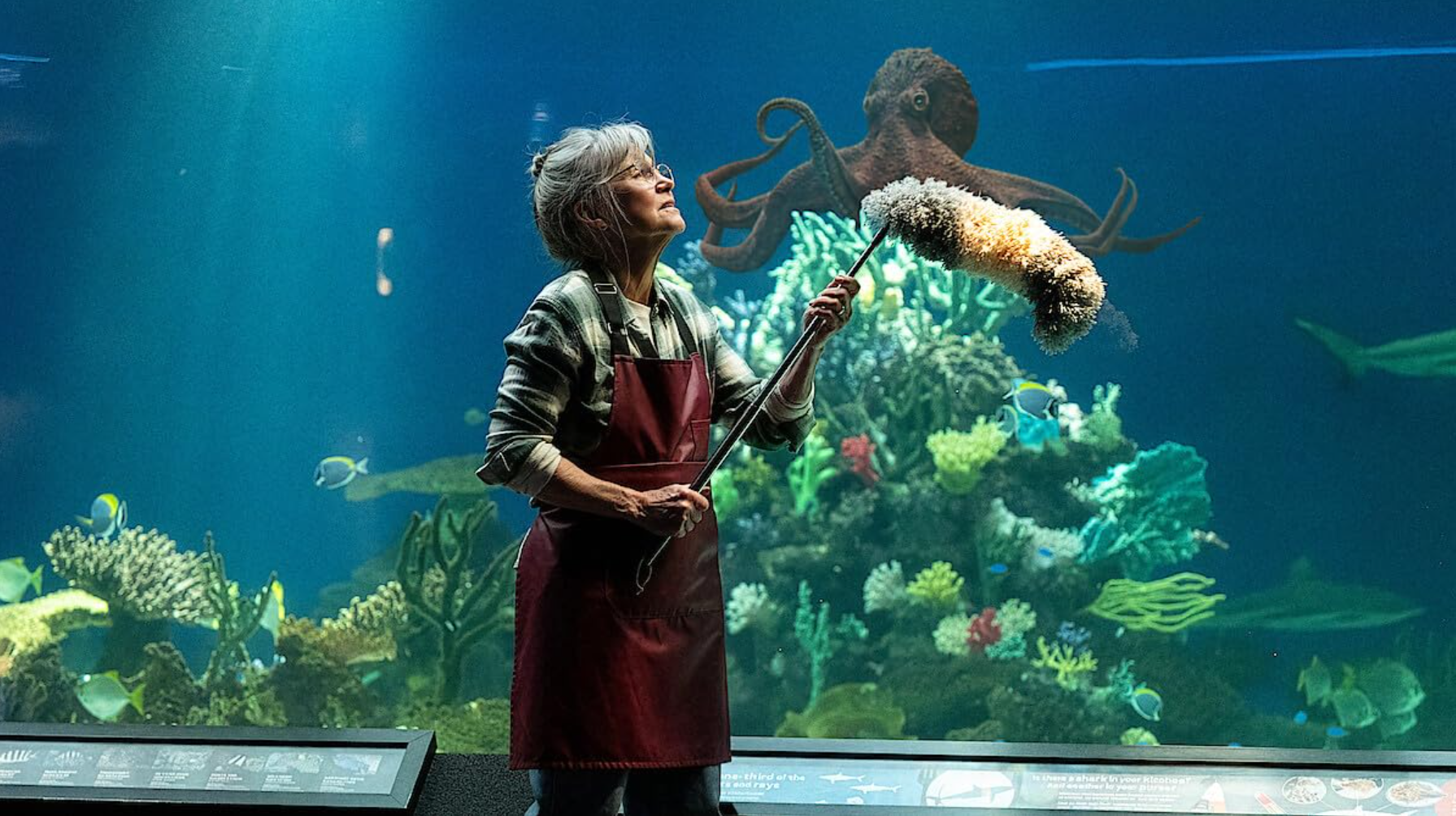
The story is told from the viewpoint of an octopus named Marcellus, who was rescued after an injury some 4 years earlier and has lived most of his life in a tank in an aquarium in the Pacific Northwest. Marcellus observes the humans who visit him, and he befriends the cleaning lady Tuva (Sally Field).  While he philosophizes about his own life, he also observes the humans in his orbit, recognizes their misery, and plots to help them. That’s a pretty challenging task for an octopus that is about as close to humans as a space alien would be.

In the end, Remarkably Bright Creatures is a feel-good movie that draws out a few tears at the end and makes us feel good about the simple things in life, like a picnic in the yard, surrounded by good friends, neighbors and family.

And as I am wont to do, I will put in my English language lesson: The English plural of octopus is octopodes, often also octopuses, not “octopi” which we often read. The word comes from Greek, and the original plural form is actually “octopodes.” The Latin word for “octopus” is actually “polypus.” There is no “i” in any form of octopus.

I have written a lot about octopodes in this blog. Put the word “octopus” into the Seach box and see for yourself.

2.5

Movie Review: Pressure (2026)

One of the most important and most consequential days in the history of the 20th century was D-Day, the day the Allied forces invaded France by landing on the beaches of Normandy. Pressure tells the true and mostly untold story of one of the contributing elements to the decision to invade on that day: The British weather.

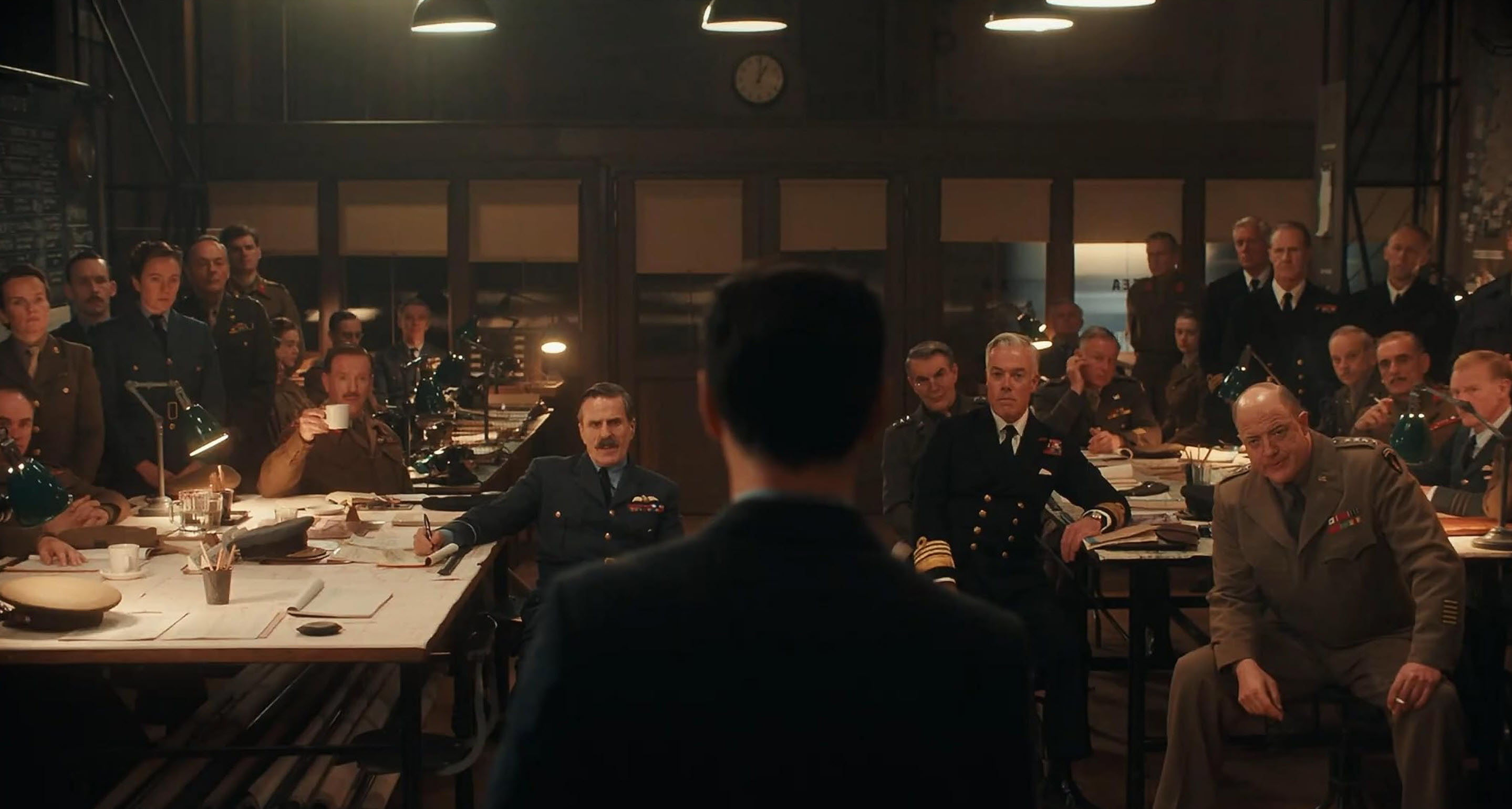
In the last 72 hours before the invasion, Britain’s chief meteorological officer, Dr. James Stagg (Andrew Scott), is called in to evaluate the weather and advise the Allied Commander, Dwight Eisenhower (Brendan Frazer) on the weather and if it was suitable for the mission. As it turned out, there was a huge weather front coming in and Stagg could simply not allow the mission to proceed, even though the entire high command, and most of his own subordinates, were pressuring him to go along. Too much was at stake.

You can’t watch too many war movies. After I walked out of the theater, I had to tell myself that I had just witnessed one crucial aspect of one of the most consequential battles in history. Yet, all I could think of was: Here was another example of our leaders sending other people’s sons and daughters into harm’s way. Eisenhower surely learned, but our president today plays with this awesome responsibility like it’s a reality show – you “get killed” and it means you’re voted off the island. Well – no – you get killed and you’re dead!

Dead!

Pressure is a movie I definitely recommend you watch. It made me think I should pick up a biography of Eisenhower so I could learn what stuff real presidents are made of.

Movie Review: Nuremberg (2025)

The final last quote on a black screen at the end of this movie was:

The only clue to what man can do is what man has done.

— R. G. Collingwood

(Robin George Collingwood, 1889–1943) was an English philosopher, historian, and archaeologist best known for his work on the philosophy of history.

I decided to lead my review with this powerful statement. Of course, the movie refers to the man Hermann Göring, the Reichsmarschall of the Third Reich and Hitler’s second in command. But the message of the film reaches far beyond what happened in Germany during World War II. We often say that what happened in Germany in those years could not happen again. Yet, all over the world we are seeing men seek totalitarian powers right in front of us, in broad daylight. That, my friends, is what I believe Nuremberg is about.

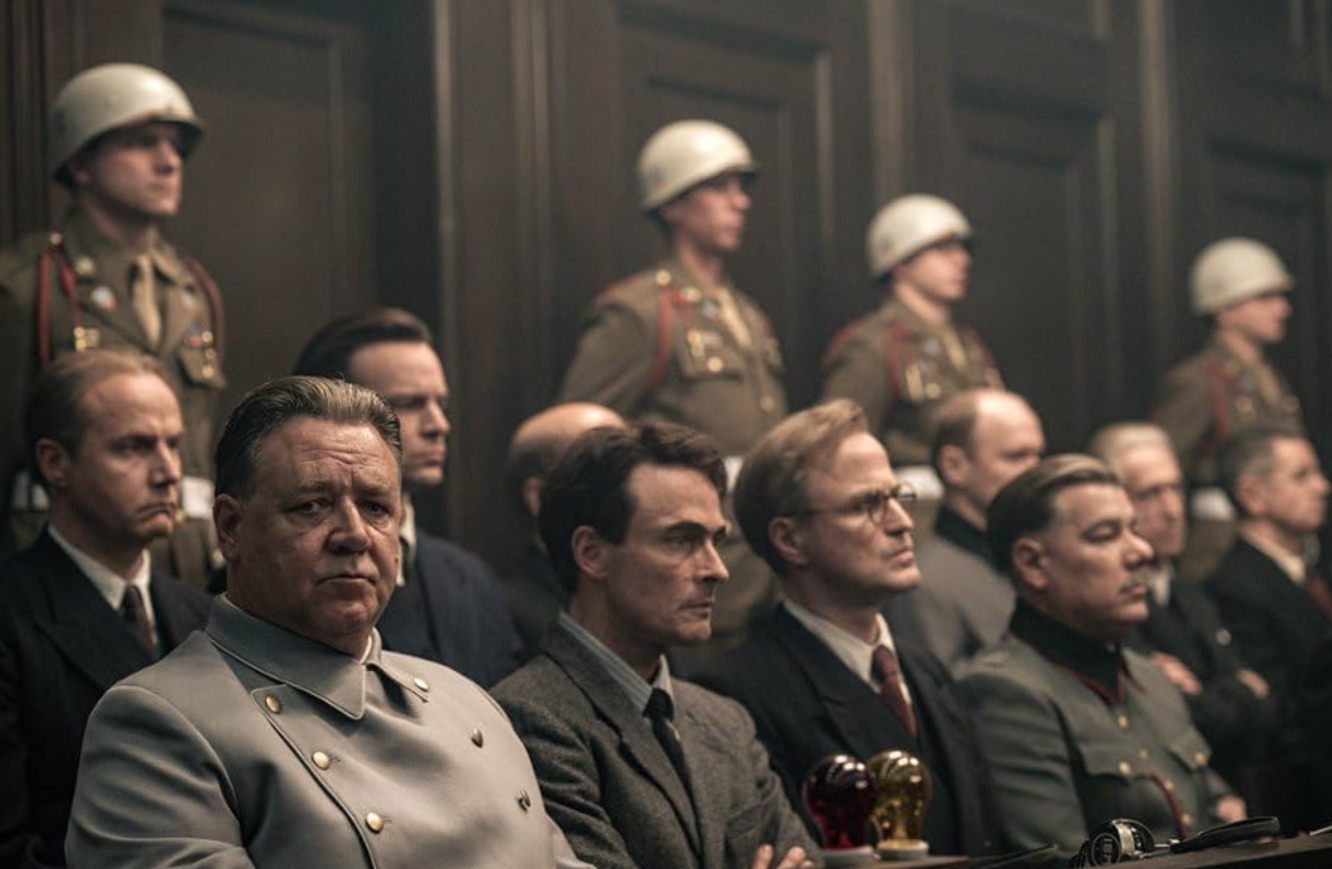
The movie tells the story of the Nuremberg trials largely from the point of view of Dr. Douglas Kelley (Rami Malek), a US Army psychiatrist assigned to assess the mental state and trial-worthiness of the prisoners and also to keep them from committing suicide. His main objective is to get through to Göring (Russell Crowe), who is the obvious leader. If he is convicted, they all will be. A lot is at stake. In the course of his assessment, he crosses the line and perhaps gets too involved in the life of his patient, to the point where he carries letters between him and his family.

Nuremberg shows the intense preparations and illustrates the extremely high stakes of the trial. Rami Malek does a masterful job portraying Dr. Kelley, and Russell Crowe is superb as Göring. I would not be surprised if one or both of them were to win awards for these roles.

IMDb has good background information about this movie, which I recommend. Here is the link. It points out many goofs, factual errors, and historical inaccuracies. I will not list them here separately. Just a couple of key ones are in the spoiler section below:

Mild Spoiler – will not destroy the experience.

  • Douglas Kelley was not fired, discharged from the army and sent home in disgrace. He never spoke to a journalist, or publicly denounced Robert Jackson’s ability ahead of Göring’s examination.
  • Both prison psychiatrists Douglas Kelley and Gustave Gilbert arrived at different conclusions regarding the mental states of the prisoners, there was no antagonism between them. They never had a physical fight.

Overall, Nuremberg is a powerful movie with a running time of 2 hours and 28 minutes. It goes into depth and it puts a spotlight on the atrocities by the Nazis and makes us think about whether we today are better, given what is currently going on in the world.

Could it happen again?

Hell, yeah, it could!

Movie Review: The Town (2010)

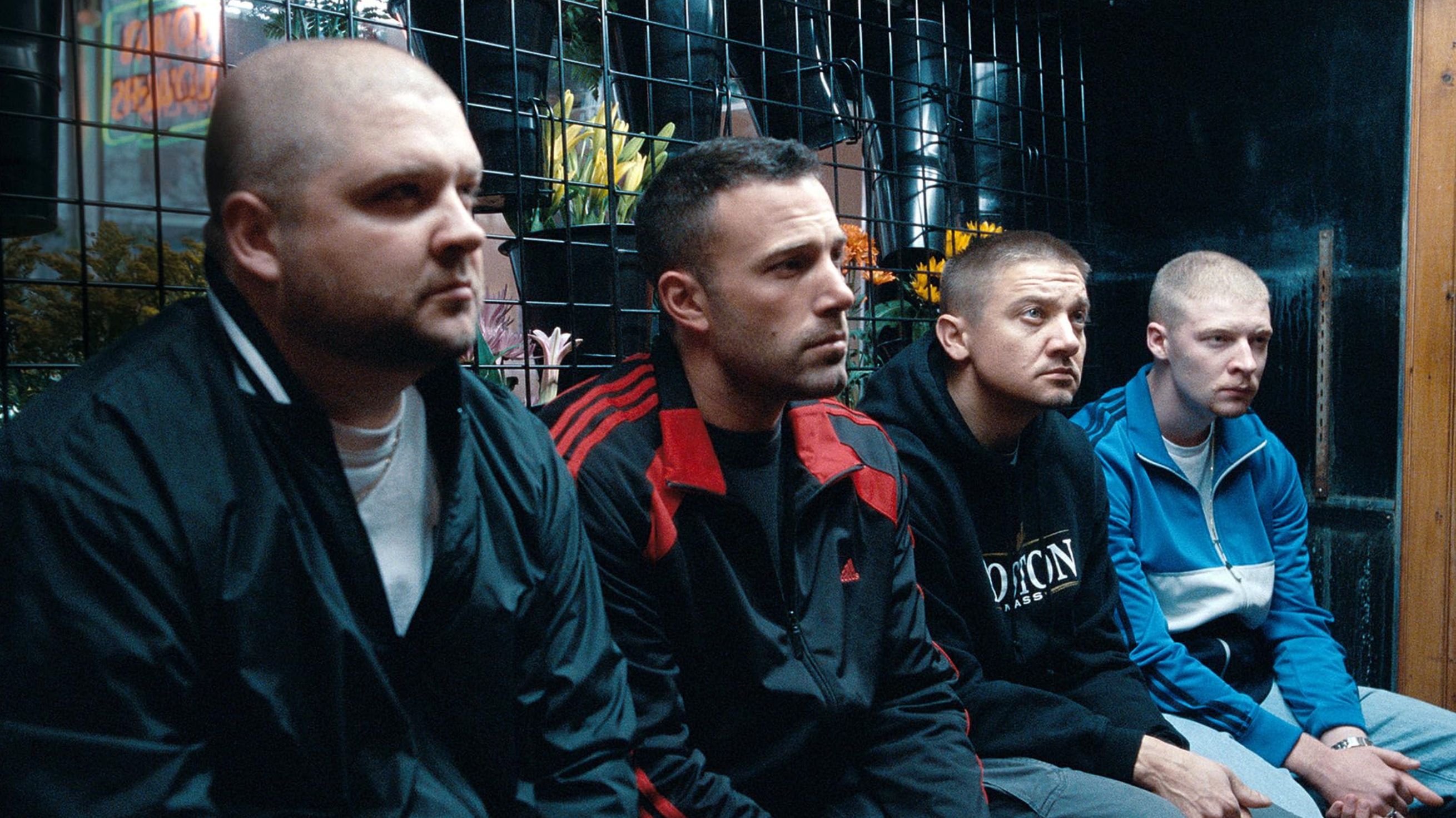
There is a neighborhood in Boston named Charlestown, which is famous for having an unusual high number of armed robberies. For generations, crime families have arisen and their children stay in town, live lives of crime and robbery.

A group of friends are particularly good at it. They wear masks, enter banks, rob them at gunpoint, and hope nothing goes wrong before they can escape with the loot. Due to an unexpected twist, they end up kidnapping a young female bank manager, and they have to let her go later, hoping she didn’t recognize any of them and pick up any clues.

The gang leader Doug (Ben Affleck) ends up falling for her. They develop a relationship that is based on some massive lies. She cannot ever find out he was her kidnapper, and his gang friends cannot know he is dating her.

As you might suspect, things don’t go well.

This movie is well-done, fast-paced and full of tense moments. A great crime story.

Movie Review: The Christophers (2025)

Julian Sklar (Ian Kellen) is a once famous and somewhat notorious (and obnoxious) artist whom his children expect to die soon. They do not have a loving or even respectful relationship with their father, and as one would expect in that situation, he thinks of them as losers and grifters.

Julian has a number of famous works in his portfolio. “The Christophers” are a series of paintings he did more than thirty years ago when he had a love-affair with a Christopher. There was a series of nine more drafts of Christophers in the works when they had a bad falling out. It appears that Julian never got over that, and he never finished the 9 remaining paintings. They were sitting somewhere in his attic.

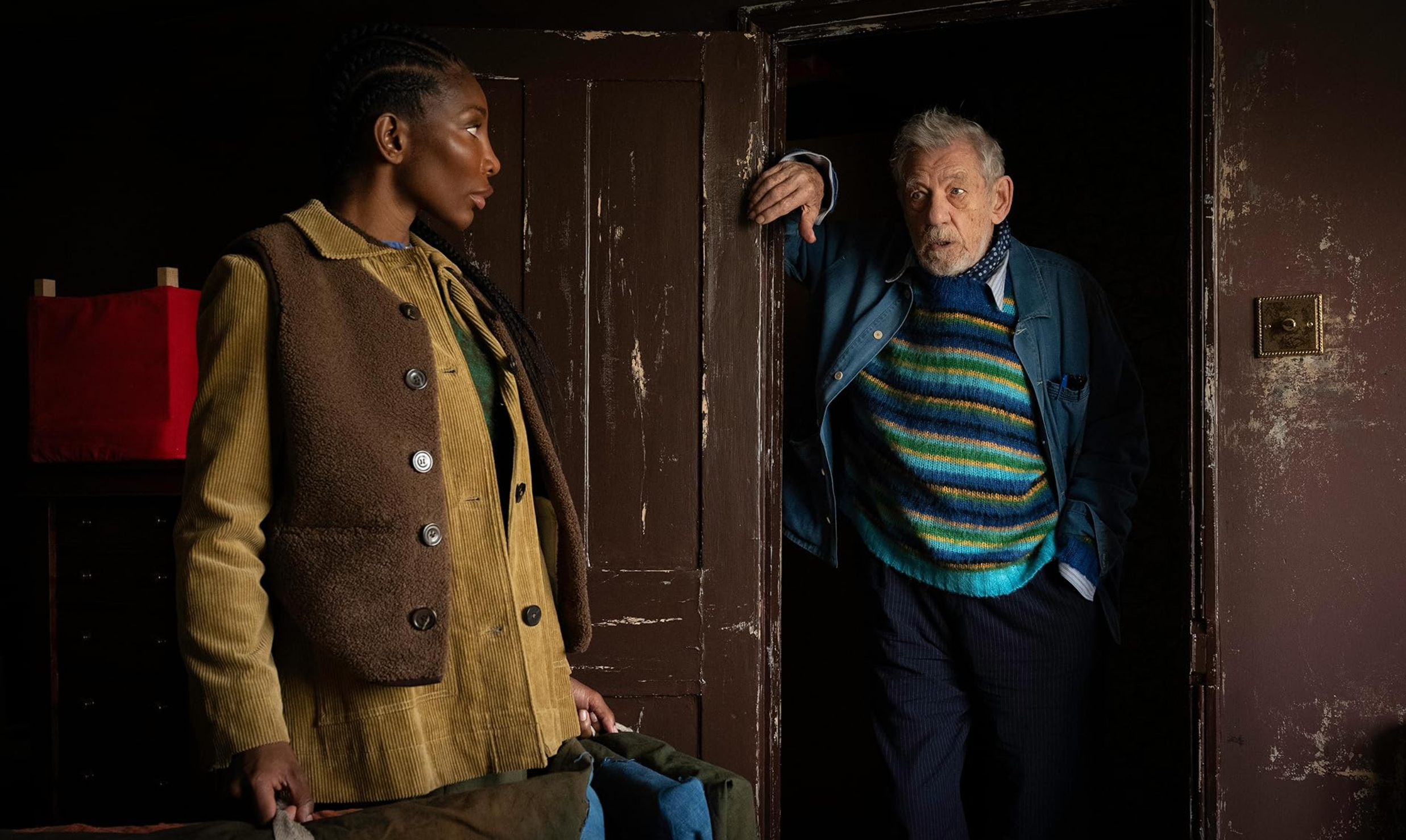
His children thought of hiring a forger to finish the paintings in Julian’s style without his knowledge, hoping they would be worth millions once he died and there would be something valuable they could cash in as an inheritance. They find Lori Butler (Michaela Coel), who is an artist, an art restoration specialist and also an expert forger. Lori reluctantly accepts the gig and goes to meet the artist. She expected to meet a senile and ill old man, but that’s not quite what she encounters.

The Christophers is a quiet movie that I, as an artist myself, enjoyed tremendously. There really are only two actors, Lori and Julian, with the two children being supporting actors. This whole movie felt like a play. It could be performed on a single set stage.

Michaela Coel has very striking features. From the beginning of the movie on I saw her as one of the female aliens in Avatar, and I could not shake that sentiment. She was born in 1987 as Michaela Boakye-Collinson to Ghanaian parents and brought up in England. Both she and Ian Kellen did an excellent job acting in this movie, and I would not be surprised to see either of them nominated for awards.

The Christophers is a movie about the inner and outer world of an artist, the artistic community and their lifestyle, and the lasting effects our youth and its loves and passions have on the rest of our lives. There are some things in life we just don’t get over, and sometimes it may take until the very last days for us to realize what really mattered.

Movie Review: Train Dreams (2025)


Robert Grainier (Joel Edgerton) is born in the early 20th century somewhere in the woods of northern Washington State, not far from Spokane. In those years, before World War 1, Washington was frontier country. Robert does not know who his parents were, whether he is an orphan, or an abandoned child. He grows up to be a reflective boy, trying to understand the world around him from observing it.

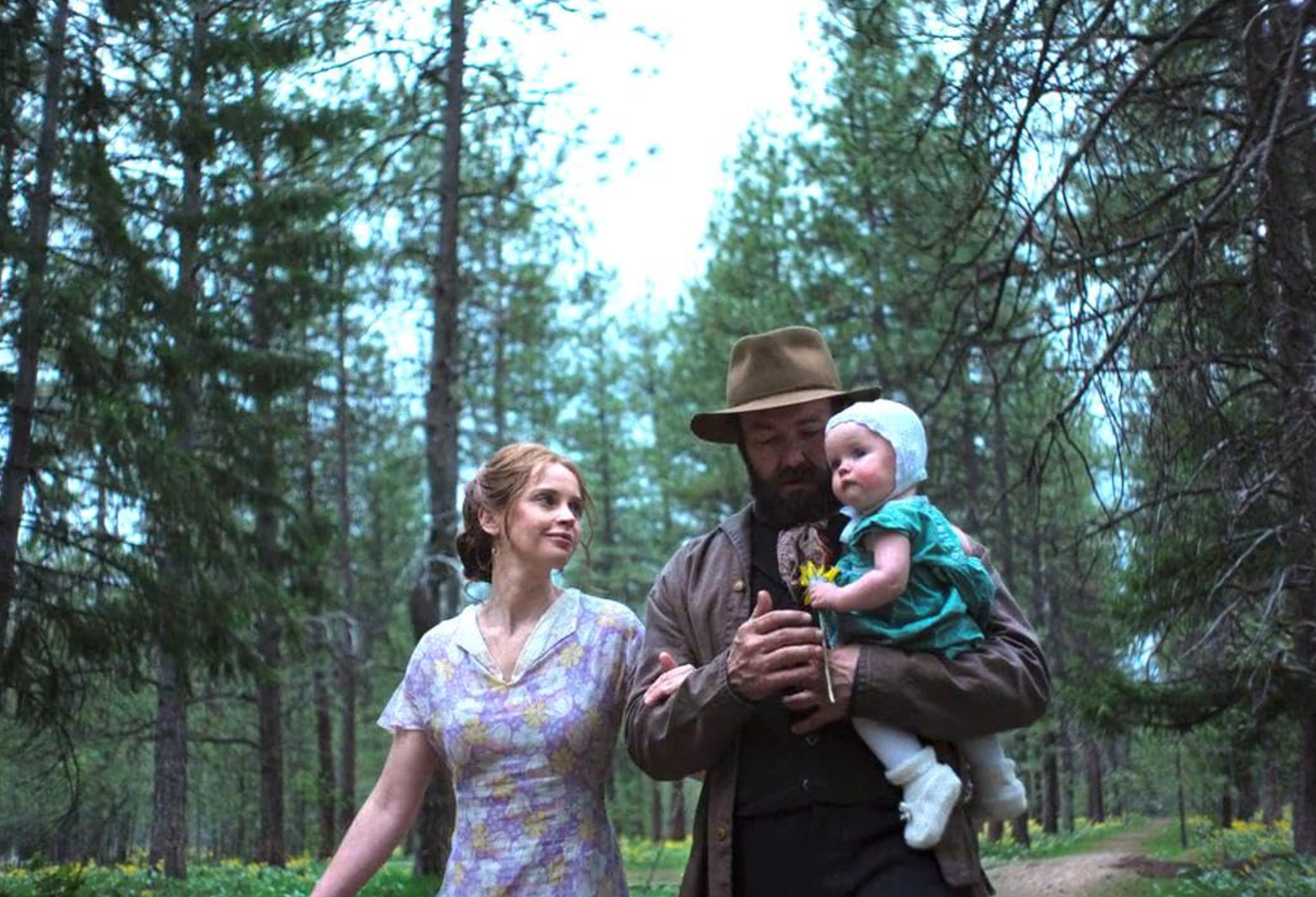
As a young man, his life changes and becomes happier when he meets Gladys (Felicity Jones) in church. Soon they are inseparable, get married and have a child. They build a cabin on an acre of land in the woods, near a creek and they have a daughter.

Being a logger and a railroad builder are the only jobs Robert can find, and unfortunately the seasonal work separates him from his young family for months at a time. It makes for a stressful life for both of them. They dream of saving some money, starting a sawmill and grow vegetables for the market, which would enable the family to live together year-round.

But tragedy overwhelms the family when a wildfire sweeps through their area while Robert is not home.

Train Dreams is based on a Novella by Denis Johnson. Joel Edgerton delivers an Oscar-worthy performance and the cinematography is incredible. It is a quiet and very slow movie. There is little action, just lots of contemplation and observation. Once I realized this was a pensive film, I settled in and let it take me with it. A few tears rolled down my cheeks when I was overwhelmed by the hardness of life those frontier people had to endure, and the brutal realities that literally struck people dead in the middle of the day, completely unexpectedly. They were helpless. Somehow they had to survive. Somehow they had to live their lives, even if there was no joy other than knowing they were one with the world.

And thus Train Dreams follows the life of Robert Grainier from beginning to end. When the credits rolled, I just sat there, listening to the music, while my mind sorted out why life is beautiful even when it is sometimes really, really hard.