

I read Stoner by John Williams in 2019, and I gave it 4 stars. Butcher’s Crossing is a western, but not in the traditional sense. It’s a philosophical novel about obsession, ambition, human limitations, and disillusionment.
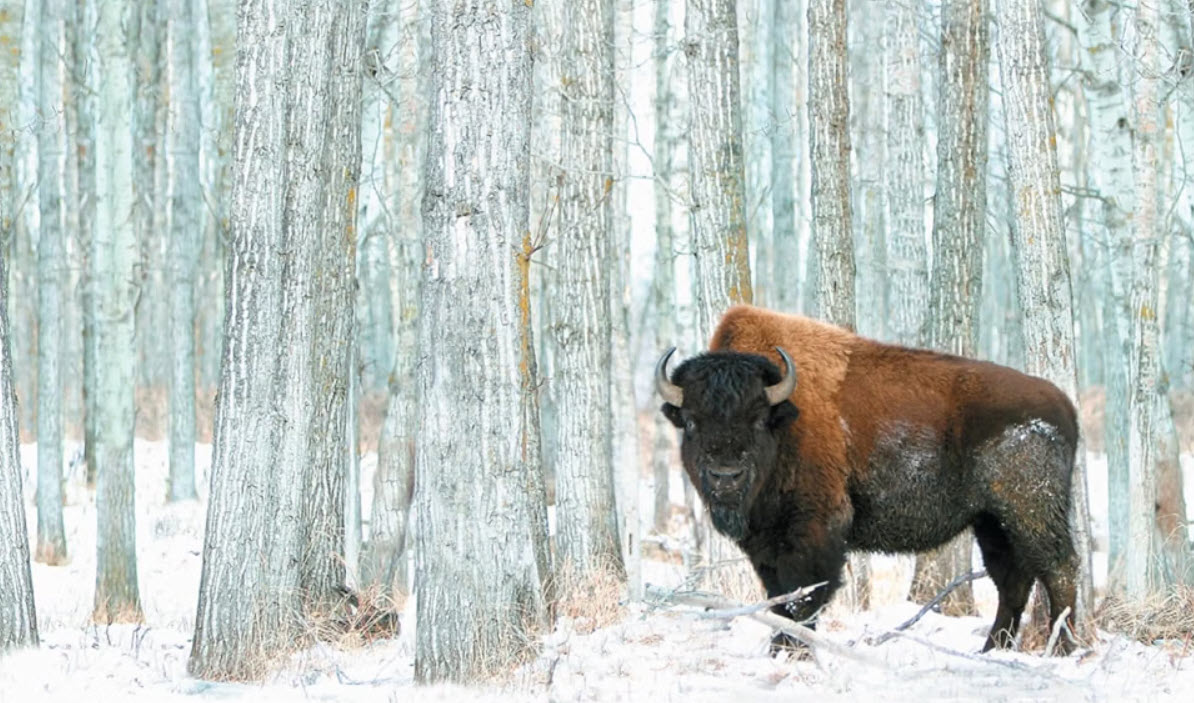
In the 1870ies William Andrews, an idealistic young man with means from his father, drops out of Harvard and heads west. He ends up in a ramshackle frontier town in Kansas named Butcher’s Crossing. One saloon, one barbershop in a tent, one dry goods store, a hotel with a few prostitutes, a livery and a blacksmith is what makes up most of the town. Its lifeline is buffalo hunting. A hunter can sell a good quality buffalo hide for about four dollars to a trader, who then marks it up and ships to east to St. Louis and other cities for further processing.
Andrews makes the acquaintance of Miller, an experienced but maverick buffalo hunter, and agrees to finance an expedition into the Colorado Territories where Miller believes there are still huge herds of buffalo. Miller buys the necessary supplies, hires on two more men, and the four of them head out into the wilderness.
They find buffalo and the hunting is good. But quickly greed takes over, and rather than hunting responsibly, they slaughter the entire herd. Then winter surprises them by coming early and soon they find themselves snowed in with no way out.
Butcher’s Crossing is literary novel told by Williams in remarkable detail. As a reader, you can actually see the town, picture the characters in detail, not just by what they look like. You can “watch them” do things. There are four major themes. First is that nature does not care about human ambition. The wilderness cannot be controlled or conquered. You make a mistake and you die. Second, the slaughter of the buffalo herd represents humanity’s capacity to destroy its own environment and thus its means to survive. The hunters need the buffalo, which are becoming sparse, but then they go out and kill and eradicate an entire herd, rather than hunting responsibly so they can come back next year. Third, it challenges the romantic image we have of the American West and, somewhat like Lonesome Dove does, it paints its brutal and unforgiving realities in clear strokes. And finally, it shows the transformation of Andrews from an idealistic young dreamer into a much harder frontiersman.

I just found out that there is a movie with Nicholas Cage made after this book in 2022, which I will definitely need to watch now.